nfts

2016 in Digital & New Media Art by Aleksandra Art

It started with that 2016 Instagram trend. People reposting old pics, blurry selfies, VSCO edits, oddly sincere captions. It didn’t feel like simple nostalgia. It felt like people circling a moment when the internet still hadn’t fully comprehended where it was headed.
That curiosity pulled me in. I started asking what was actually happening in digital and new media art in 2016. Not just aesthetically, but structurally. Institutionally. Politically.

What I found was a year where many of today’s dominant narratives were still open questions. Surveillance. Immersion. Blockchain. Digital ownership. Institutional legitimacy. 2016 wasn’t the beginning, but it was a fascinating snapshot looking back. A year where multiple futures briefly coexisted.

This, as always, is not a comprehensive list - but hopefully holistic enough for all of you to dive in!

1. Whitechapel Gallery 2016: Electronic Superhighway
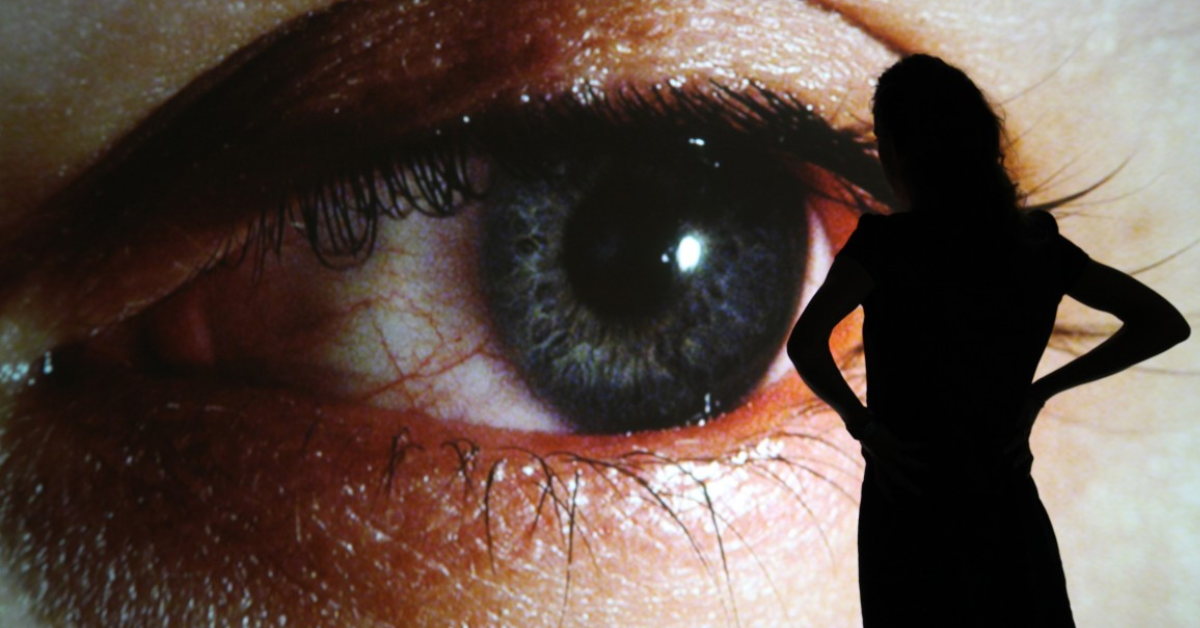
Rafael Lozano-Hemmer, Surface Tension (1992) Courtesy the artist and Carroll/Fletcher, London. Installation photograph by Maxime Dufour  © Rafael Lozano-Hemmer

Electronic Superhighway show, curated by Omar Kholeif, with significant contributions from Emily Butler (Assistant Curator) and Séamus McCormack (Assistant Curator), brought together over 100 works tracing artists’ relationships with computers and networks from the 1960s onward. It refused the idea that digital art was new, trendy, or purely technical.

Some of the exhibiting artists went on to also release their works on the blockchain in recent years, including Jan Robert Leegte, Trevor Paglen or Lynn Hershman Leeson.

By placing early experiments next to contemporary works, the exhibition made it clear that artists have always been ahead of cultural anxiety. What changes is not fear, but scale.

2. Lumen Prize 2016 Gold Award winner: Hyperplanes of Simultaneity
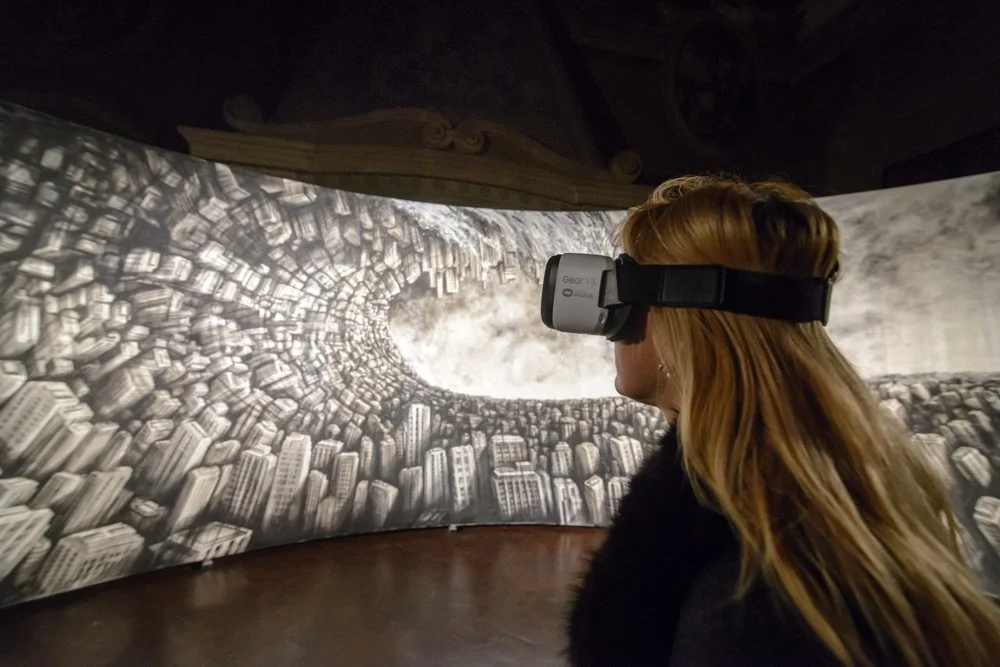
Installation view, Hyperplanes of Simultaneity by Fabio Giampietro & Alessio De Vecchi

Hyperplanes of Simultaneity, by Fabio Giampietro & Alessio De Vecchi, dissolved the fixed image. Instead of standing in front of a painting, viewers navigated inside it through VR. Perspective became something you performed rather than observed.

This shift feels foundational now, when immersion is no longer novel but expected.

3. MuDA (Museum of Digital Art) 2016 Opening
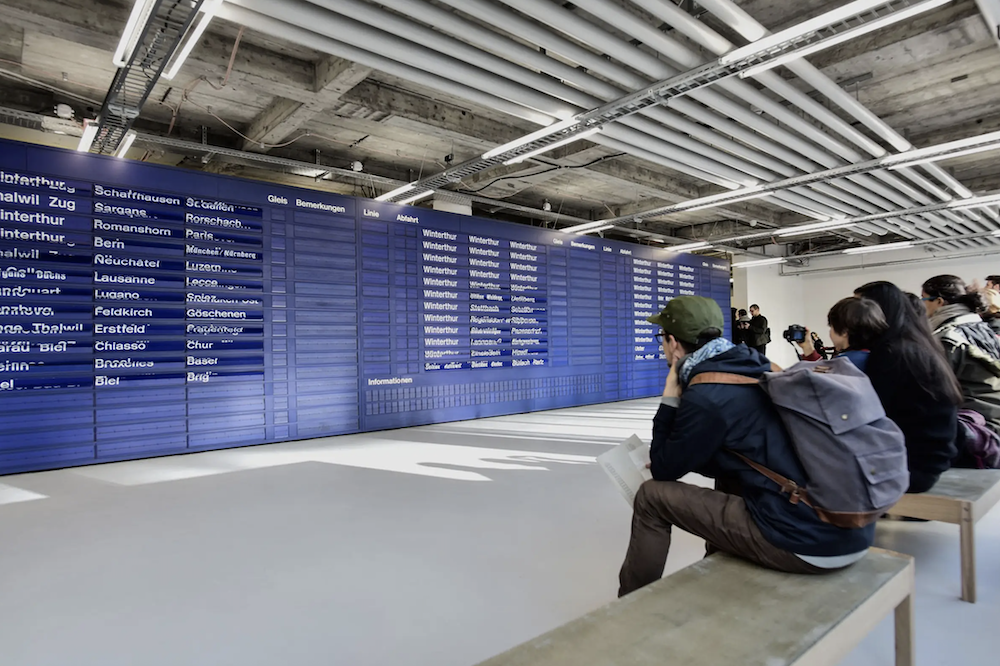
Gysin-Vanetti, Herdern Hochhaus, Zurich, Feb 12 – Aug 14, 2016

MuDA opened in Zurich as an institution dedicated entirely to digital art.  The institute was opened in February 2016 in Zurich by the non-profit Digital Arts Association. It closed only a few years later, in 2020, but its presence mattered.

For its opening exhibition, Swiss digital duo Andreas Gysin and Sidi Vanetti reprogrammed a 13-metre electromechanical board from Zurich’s main station into an installation, which offered early visibility to new work that combined code and physical experience.

As MuDA co-founder Christian Etter later put it:
“What is art? Whatever does not have an economic purpose and creates an insight, or helps people to see new perspectives, this is art for me.”

That philosophy feels especially fragile in digital contexts, where value is so often measured financially.

4. Berlin Biennale 2016 - Blockchain Visionaries by Simon Denny with Linda Kantchev
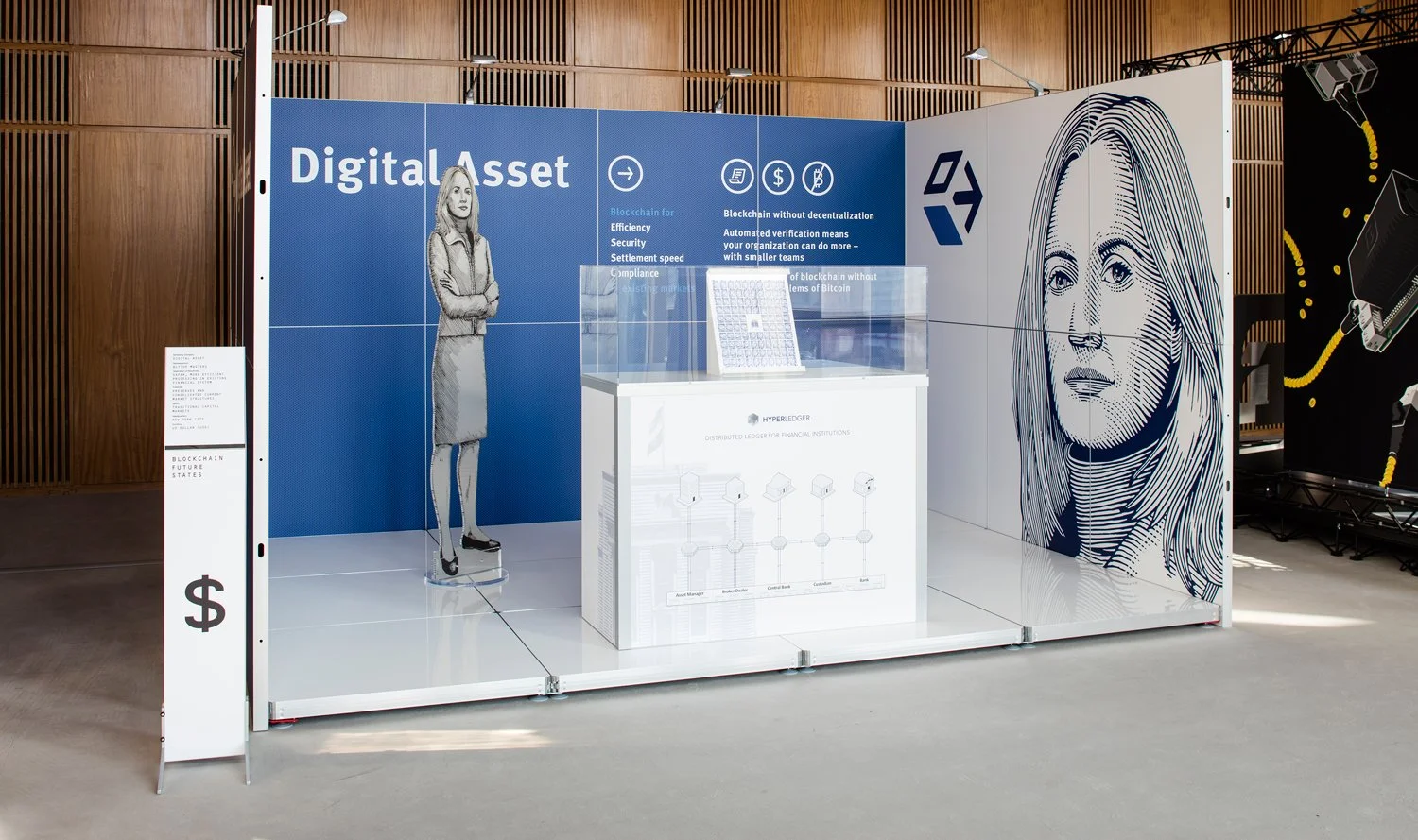
Installation view of "Blockchain Visionaries," 2016; courtesy Simon Denny; Galerie Buchholz, Cologne/Berlin/New York; photo: Timo Ohler

Blockchain Visionaries showcased three real companies - Ethereum, 21 Inc, and Digital Asset Holdings. Denny has created a trade-fair-like information booth and a postage stamp for each company, which individually embody a future direction in blockchain technology.

There was no consensus on whether blockchain would empower artists, dissolve institutions, or simply reproduce existing inequalities. The Biennale captured blockchain at a moment when it was still speculative in the philosophical sense, not yet dominated by financial narratives.

5. STARTS Prize 2016 Grand Prize winner: Magnetic Motion
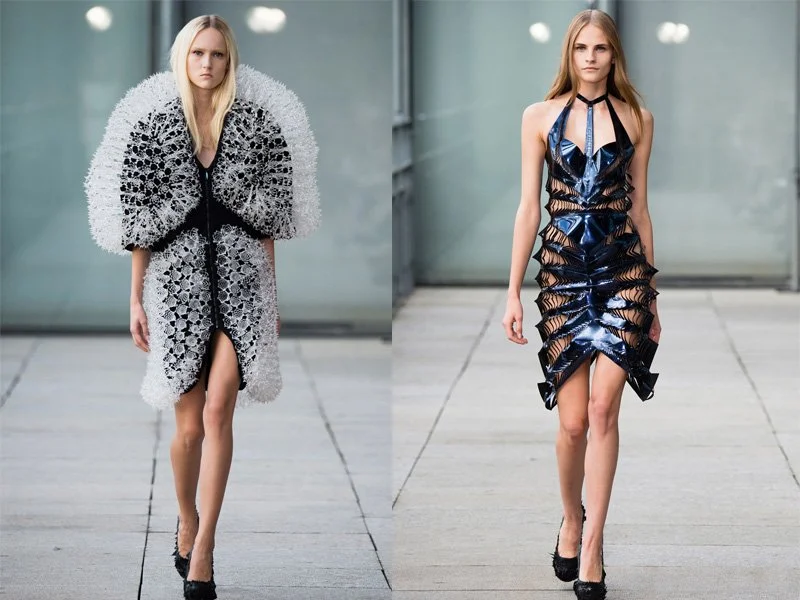
Iris Van Herpen RTW SS 15 “Magnetic Motion” Photos from Style.com

Magnetic Motion, by Iris van Herpen,  fused couture, computation, and physics, drawing inspiration from CERN’s Large Hadron Collider. Digital thinking here reshaped material form itself.

What makes this moment significant is how naturally the project blurred disciplines. Fashion became a site for data, physics, and algorithmic thinking, long before “hybrid practice” became an institutional buzzword. The piece suggested that digital culture wasn’t something we would simply look at, but something we would increasingly inhabit - like we later saw with the digital fashion work of The Fabricant or Dress X.

6. Rare Pepe 2016 release
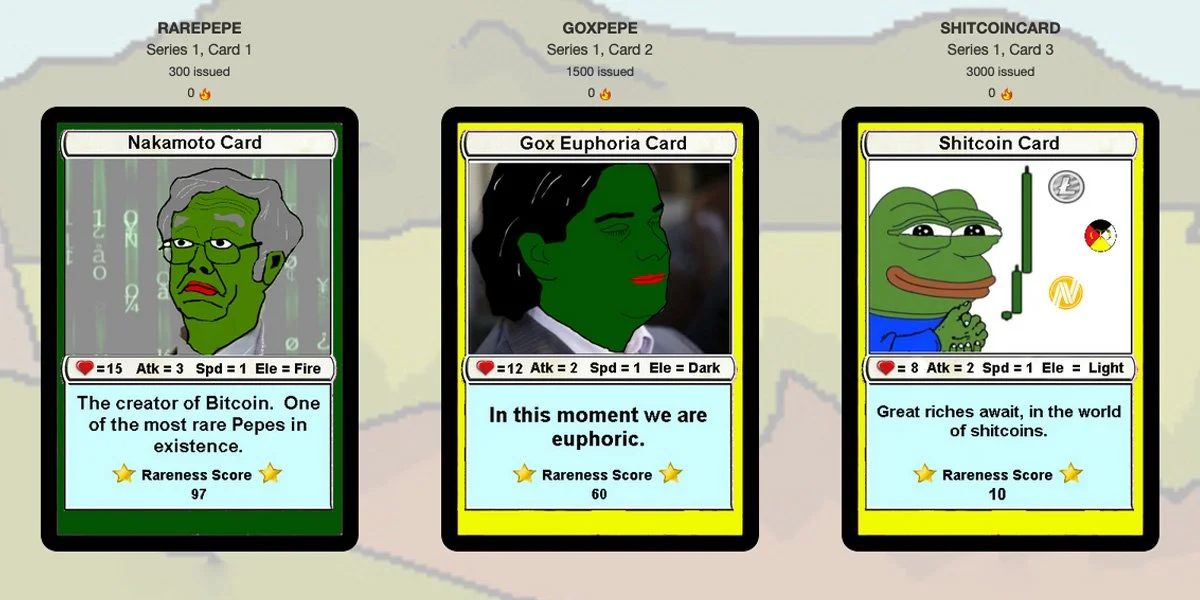
First three blockchain-based Rare Pepe cards created by anonymous user Mike (2016), via MLO

In September 2016, the Rare Pepe (collectible digital trading cards) were minted on the Counterparty protocol, representing some of the first digital “art tokens” designed to be traded, bought, sold, or destroyed on a blockchain. They reference the  Pepe character, created by Matt Furie back in 2005 for his self-made zine Playtime.

(more on Rare Pepe in my 2021 article)

What mattered was not polish, but possibility. Ownership became programmable.

7. SIGGRAPH 2016: Steina Vasulka Receives Lifetime Achievement Award in Digital Art
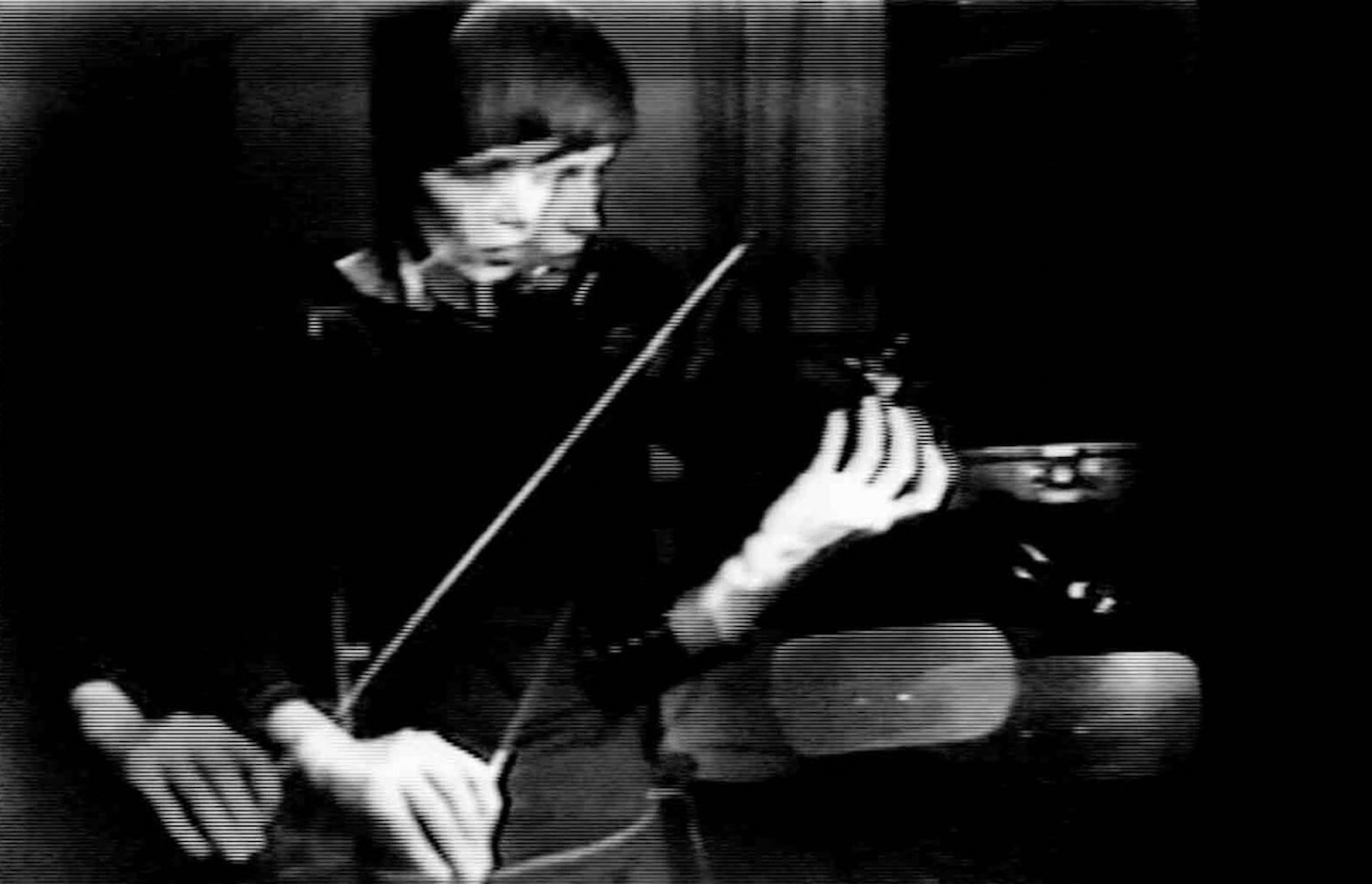
Violin Power, Steina, 1970-78, 10:04 min, b&w, sound

The 2016 ACM SIGGRAPH Lifetime Achievement Award in Digital Art was awarded to Steina Vasulka, a major contributor to the development of an intellectual and institutional framework for video and installation art, which she has continued to nurture and promote in a variety of contexts. 

She began working with video in 1969, co-founding The Kitchen, an Electronic Media Theatre in SoHo, described as “An Image and Sound Laboratory”. 

Her major retrospective exhibitions running into 2026, include Steina: Playback, organized by MIT List Visual Arts Center, touring from Buffalo AKG Art Museum (March–June 2025) to the National Gallery of Iceland & Reykjavík Art Museum (October 2025–January 2026).

It grounded the field in memory at a moment when speed threatened to erase it.

8. Nam June Paik Art Center Prize 2016 winner: ‘Blast Theory’
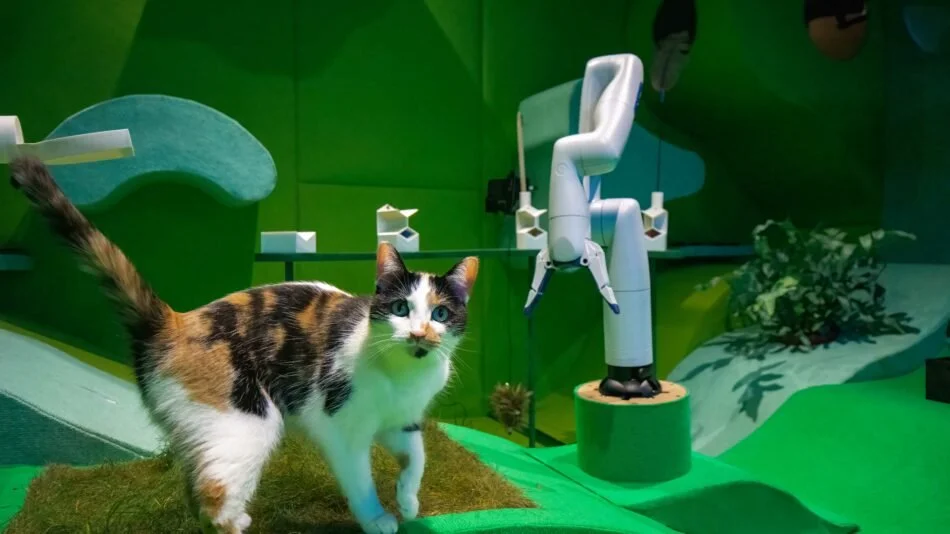
Cat Royale by Blast Theory

Blast Theory was founded in 1991 by Matt Adams, Niki Jewett, Will Kittow and Ju Row Farr. The collective received the Nam June Paik Art Center Prize in 2016, a fitting recognition for a group whose work has consistently treated technology as something lived rather than observed. 

Long before social media, apps, or location tracking became mundane, Blast Theory was creating participatory works that fused performance, gaming, surveillance, and physical space.

9. Prix Ars Electronica 2016 "Golden Nica: Interactive Art +" award winner:  "Can you hear me?" by Mathias Jud & Christoph Wachter
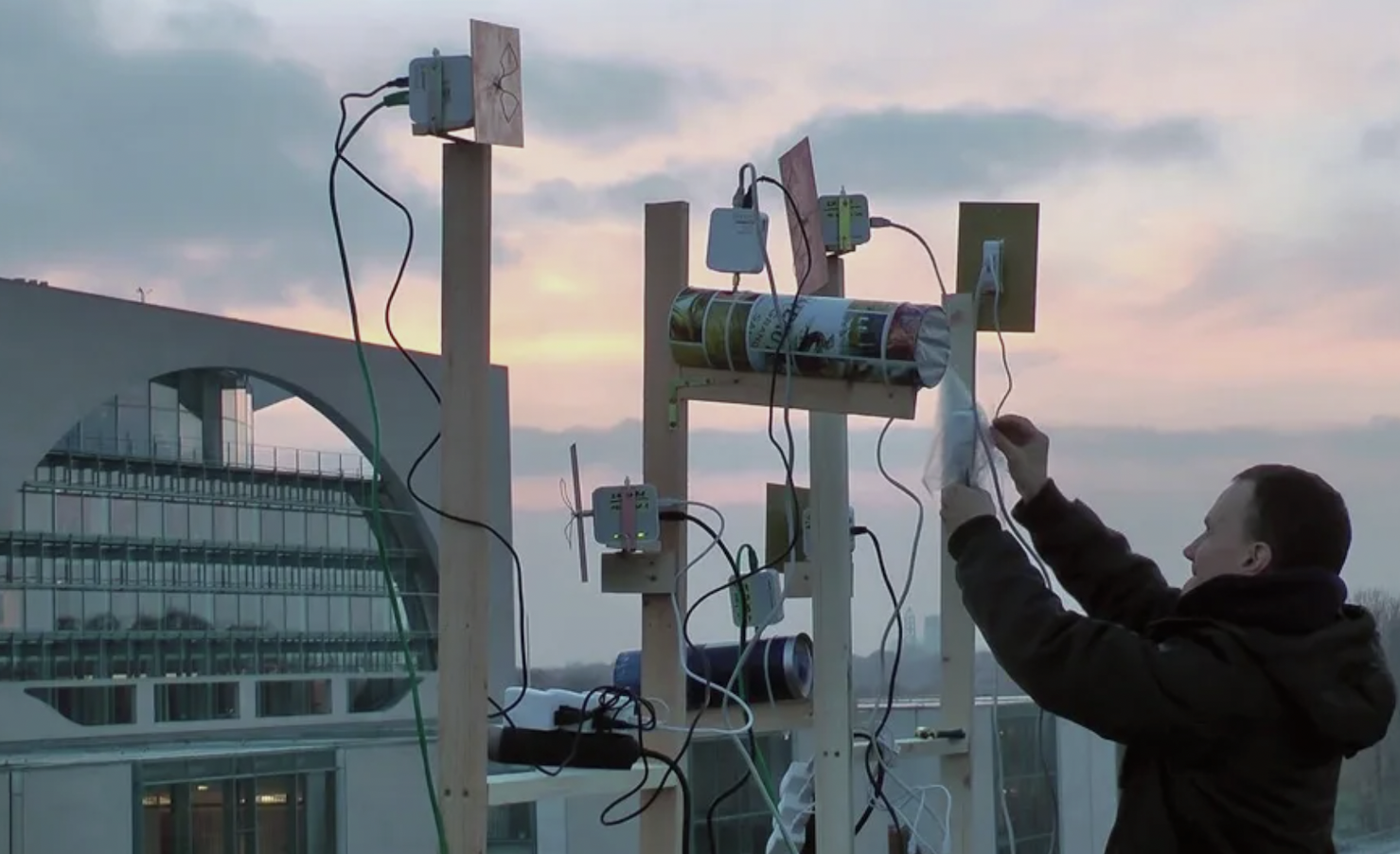
"Can you hear me?" by Mathias Jud & Christoph Wachter address the issue of power and powerlessness in the Digital Age. 

Above the rooftops at the epicenter of political power in Germany, the two artists set up an autonomous WiFi communications network and invited anyone in Central Berlin with a WiFi-capable device to connect to the network and use it to chat, send text messages and exchange files. Learn more.

It treated transparency not as metaphor, but as action.

10. Thoma Foundation 2016 Arts Writing Awards in Digital Art winners: Christiane Paul & Nora Khan
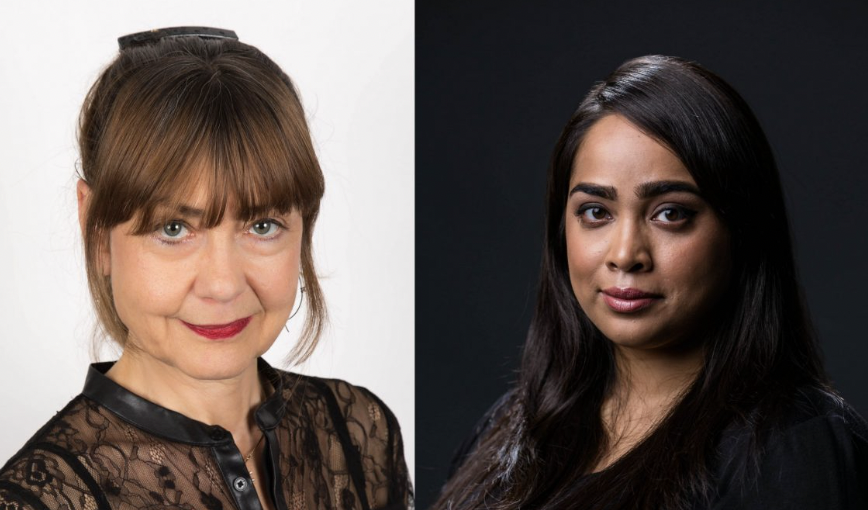
Christiane Paul & Nora Khan

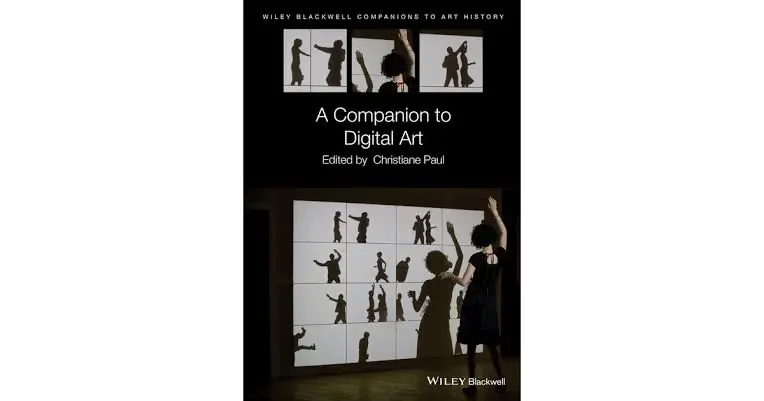
In 2016 the Carl & Marilynn Thoma Art Foundation recognized two voices that were shaping how we talk and think about digital art with its Arts Writing Awards: Christiane Paul in the established category and Nora Khan in the emerging category. Christiane Paul, a curator and scholar at the Whitney Museum of American Art, was honored for her extensive writing that situates digital art within broader art history and bridges diverse communities through books, essays and curatorial work. Notably, her 2016 book “A Companion to Digital Art”.

Nora Khan, a contributing editor at Rhizome, was celebrated for her imaginative and boundary-blurring essays about digital culture, from the affective life of emoji to the aesthetics of artificial intelligence: writing that pushes the field beyond criticism into speculative and expressive territories.

Looking back, 2016 feels unresolved. Not naive, but undecided. Many paths opened that year before narrowing into platforms and markets.

Revisiting it now feels less like nostalgia and more like recovery. To quote Dickens, "in short, the period was so far like the present period" - a reminder that the ever-evolving future has more than one possible shape.

Collecting Crypto Art and NFTs: Collectors Spotlight by Aleksandra Art

Down in the web3 rabbit hole things move faster than in the real world. During my humble three years in the scene I've witnessed more projects and legendary collections built than over a decade in the ‘traditional’ art market. What makes it so different? To better answer this question I’ve spoken to some of the old-timers (by the market measurements) who have been collecting regardless of the market cycle, with an interest in the long-term success of the artists they support.

Untitled by William Mapan, minted Mar 4, 2021.

I’ve asked for a group collectors to share some of their favourite works, and answer questions that can help guide aspiring collectors when tip-toeing (or cannonballing) into the world of crypto art. This survey may also serve as an insight for artists to better understand the thought-process of devoted patrons when it comes to acquiring new work.

Fanny Lakoubay @Flakoubay

A crypto art collector, advisor and activist since 2018.

Highlights from the collection:

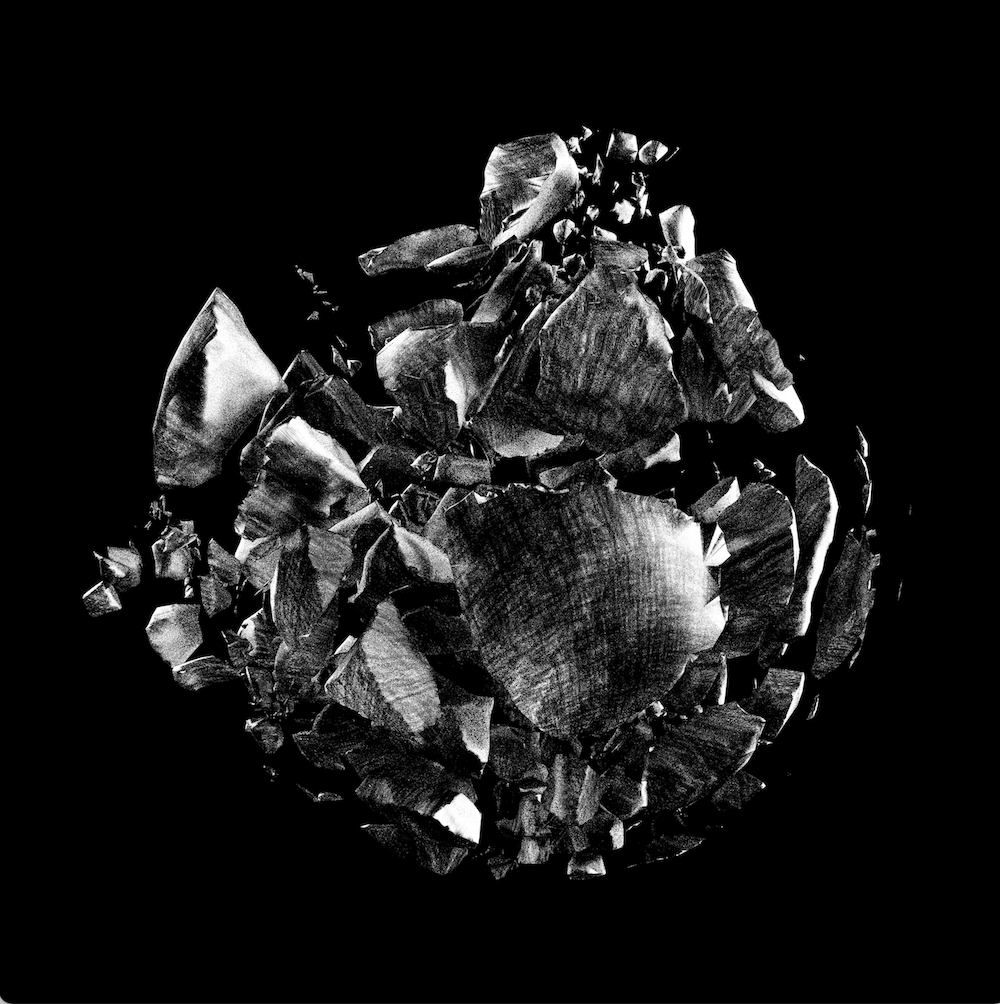
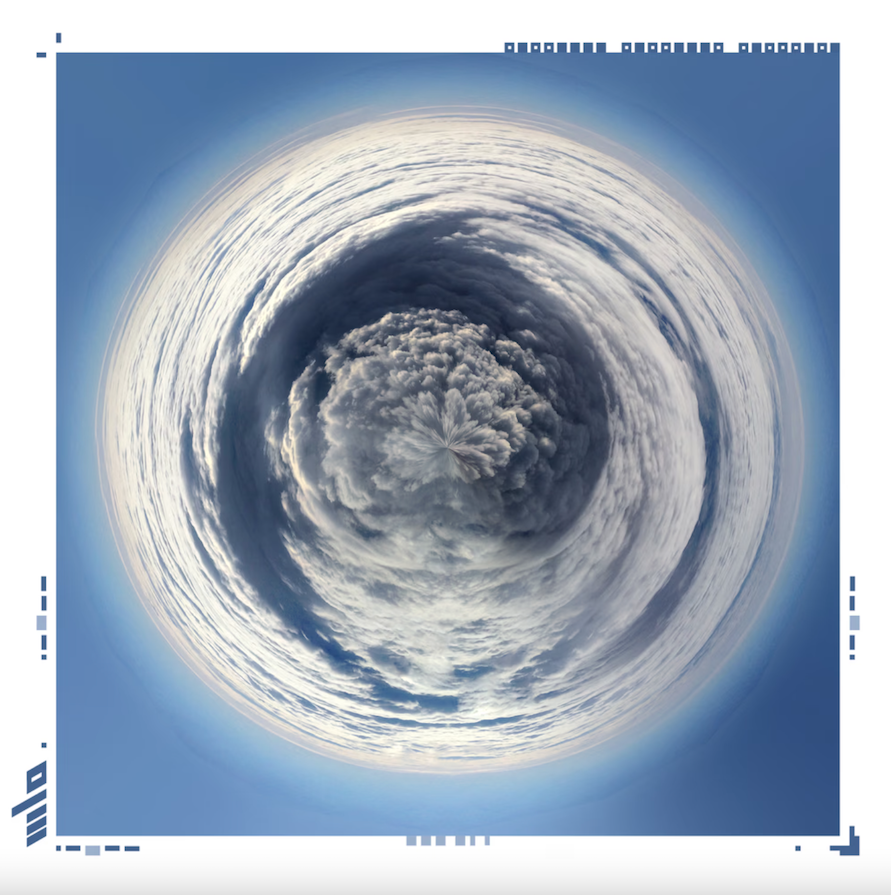
1. Tokenized Cloud Sphere One (YYZ to MCO) by  Martin Lukas Ostachowski @MLOdotArt
This is a 2018 unenhanced, computer-aided photo collage, part of the Tokenized Cloud Sphere installation of 12 cloud spheres, which were created from photo series taken on passenger flights across North America. The photos were stitched into panoramas using software and lightly retouched on the edges to allow smooth connections into a sphere.

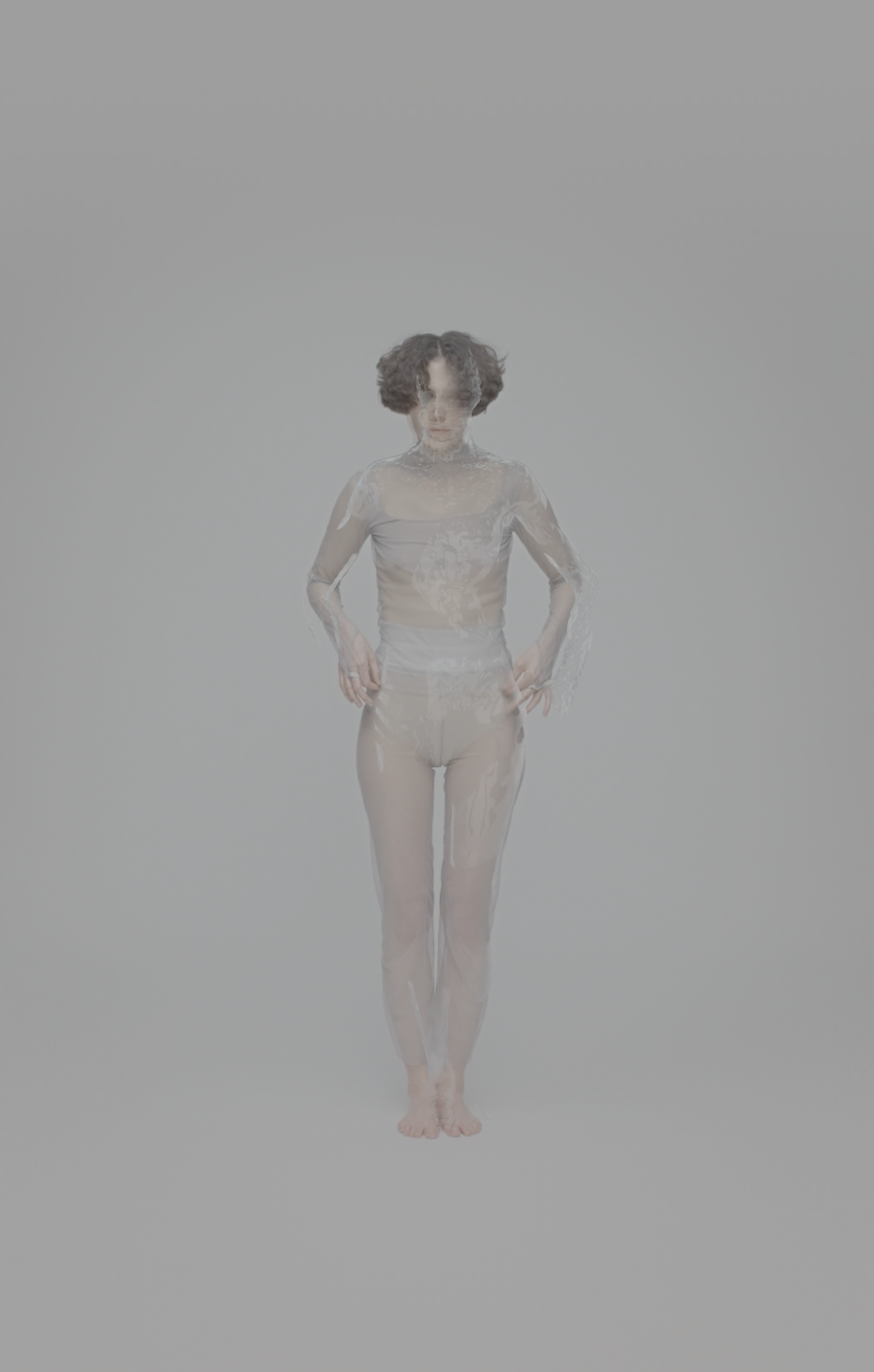
2. Attempt 0 by Ania Catherine @aniacatherine and Dejha Ti @dejhati
Attempts is the first lot from Ania Catherine and Dejha Ti’s Privacy Collection. Attempt 0 is one of eleven unique works the series of choreographic attempts to establish online privacy (real or imagined). In this work, the body inhabits and hides inside a digital shell in the form of a translucent glass avatar, speaking to the pseudonymous nature of web3—pfps, usernames, wallet addresses—where one can ironically be known for being unknown.

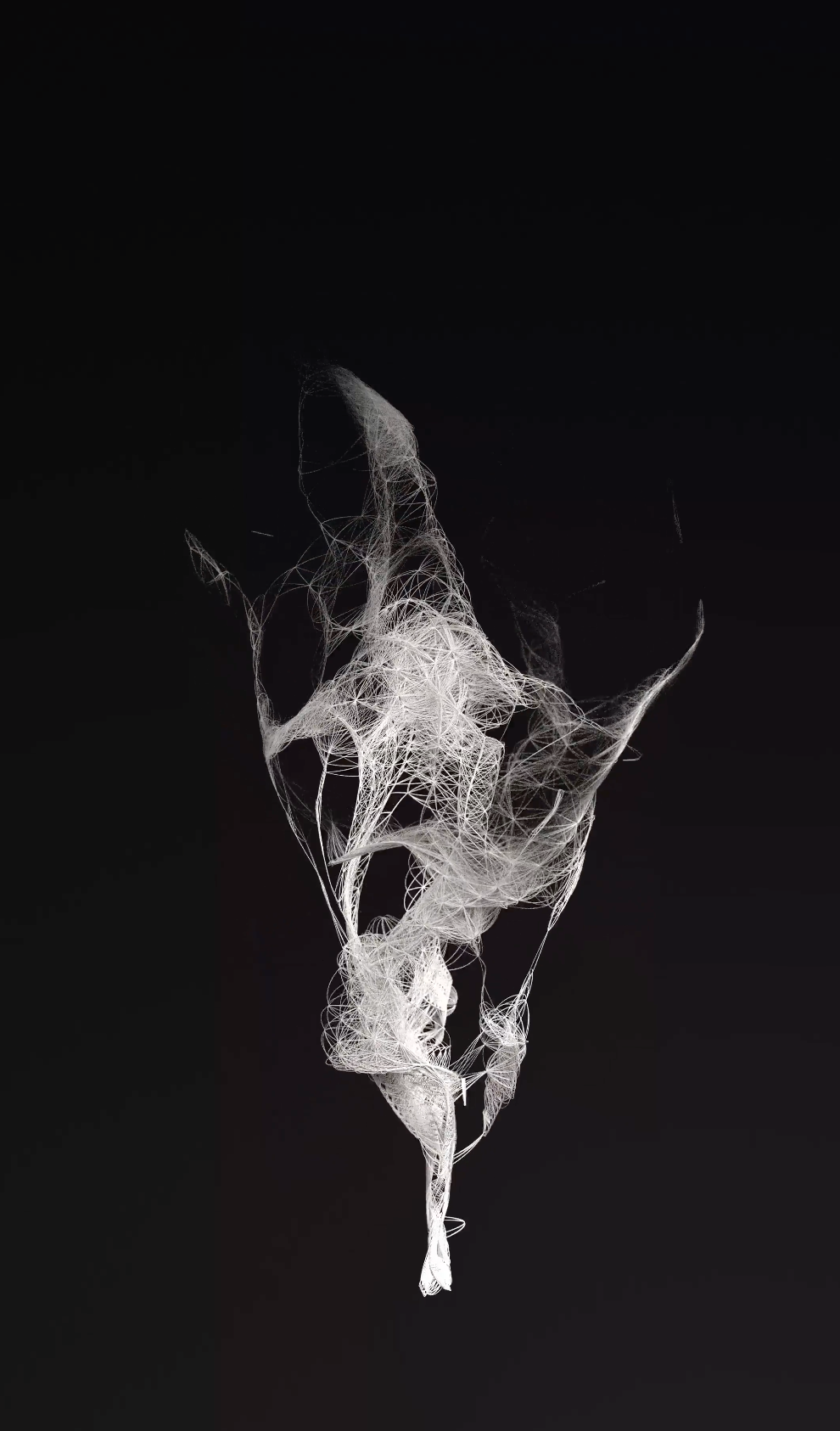
3. Here and Elsewhere by Brendan Dawes @brendandawes with music by Sion Trefor @SionTrefor
“I like people who dream or talk to themselves interminably; I like them, for they are double. They are here and elsewhere.”
Albert Camus.

When things are forbidden it takes dreamers to venture into the unknown and challenge perceived norms. Inspired by an Albert Camus quote, dreams and deliberate actions give rise to new forms, structures and possibilities where there was previously darkness.

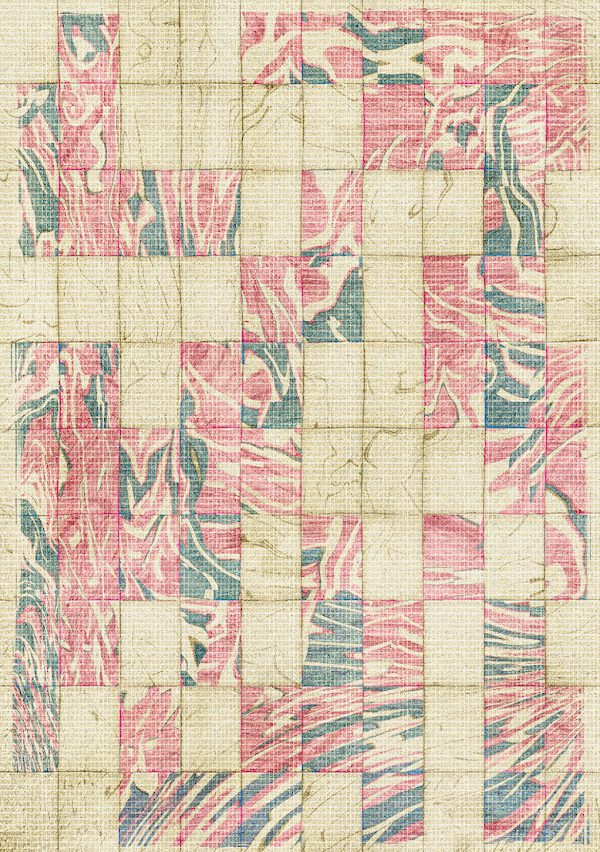
4. Atom 1259 (89 seconds Atomized collection) by Eve Sussman  
89 seconds Atomized shatters the final artist's proof of Eve Sussman's acclaimed video 89 seconds at Alcazár into 2,304 unique blocks, to create a new artwork on the blockchain. An experiment in ownership and collective interaction, the piece can be reassembled and screened at will by the community of collectors.

What excites you when selecting artists’ work, how do they make their way into your collection?

The story of the artist, the concepts behind the works, and the level of innovation! I like to know the story behind the artists I collect (connect w them whenever possible), I am not looking at a particular genre or aesthetic. Conceptually innovative works are for me important to highlight!

How do you discover new work?

Artist residencies, curated shows and platforms (small ones like verse.works or vca), twitter - rarely.

Is there any advice you'd give to someone interested in collecting art on the Blockchain?

DYOR and listen to the artists.

Georg Bak

I am very passionate about digital art and made my passion into my profession. Besides advising clients I am also a collector myself. I am collecting vintage digital art from the 1960s as well as NFTs. I also use my LinkedIn account since several years to share interesting news and facts about digital art, NFTs and the metaverse to help people to get more familiar with the topics.

Georg Bak keeps his collection private, so here is a photo with Aleksandra Art (myself) at Boreta AV at Art Basel Miami 2022.

How do you go about collecting artists’ work?

Many artworks I choose to collect have a historical relevance. I also collect art from befriended artists. When I look at digital art, I am interested in technical or visual innovation as well as complexity. What excites me most are artworks which are entering the canon of digital art history because they are the first of its kind. 

How do you discover new work?

Quite often I get recommendations by artists, curators or collectors. Sometimes I am also checking some accounts of other collectors.

Is there any advice you'd give to someone interested in collecting art on the Blockchain?

Collecting is a very personal thing; you look at someones collection and you know who that person is. When I advise collectors they are mostly interested in new trends or NFTs as an investment. 

Maria @marygeorgie1

I have a background in traditional Finance and fell down the genart rabbit hole about a year ago. While I have always been an art lover, the (to me) new concept of genart blew my away! I love collecting, researching about artists and new developments in the space ever since!

Highlights from the collection:

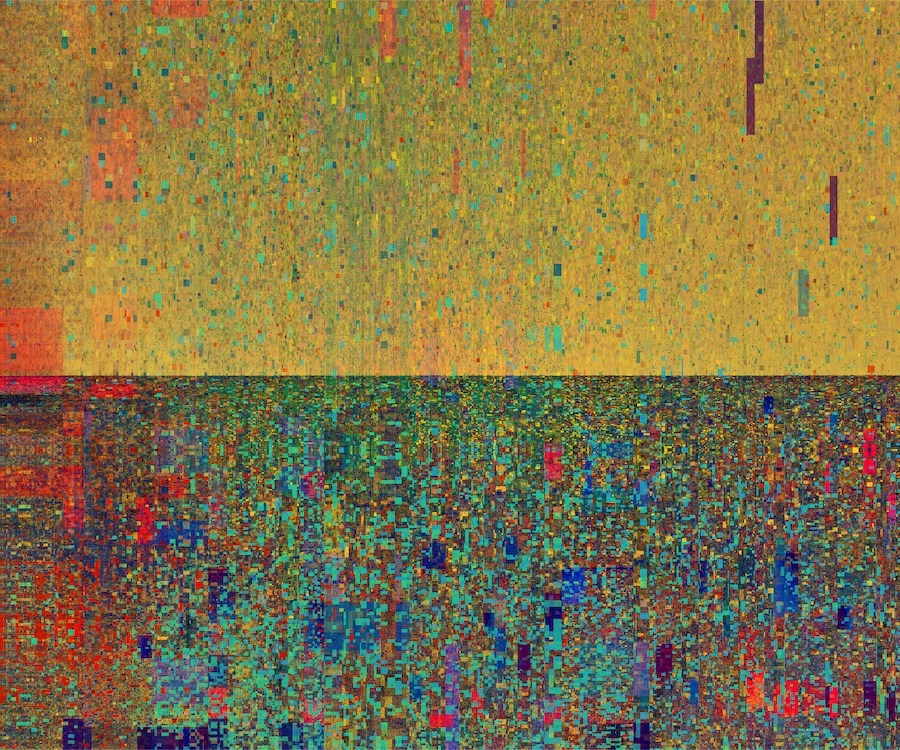
1. horizon(te)s #396 by Iskra Velitchkova @pointline_ and Zach Lieberman @zachlieberman
For this collaboration, the artists focused on horizons as an organizing principle. What are the edges and borders of our vision and what do we see there?

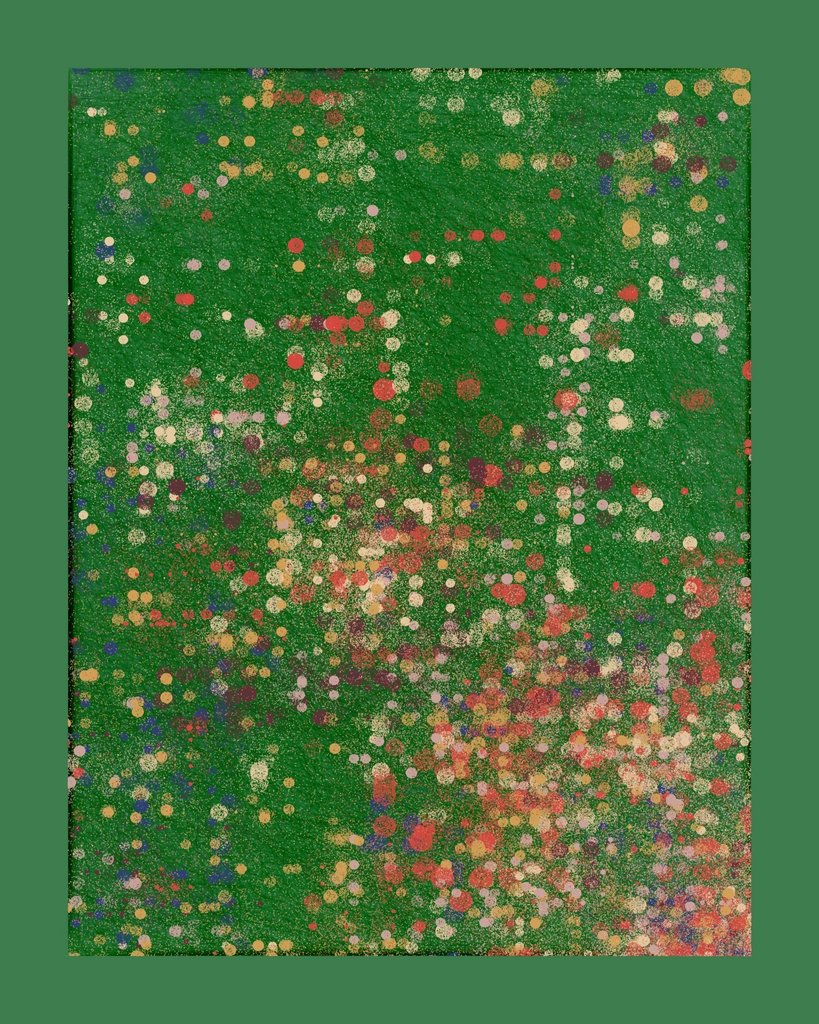
2. Aspergo #33 by dmarchi @dmarchi___
A practice on texturing abstract paintings. Up to three techniques are applied by the painter to compose each image.

3. Anticyclone #479 by William Mapan @williamapan
High pressure, rotation, air flow… The "Anticyclone" series is an artistic exploration and interpretation of those concepts. The rendering borrows its aesthetics from traditional and organic media like paper and crayons, to lend an analog/archival look. "Can a computer draw like a human?" The question is asked and challenged once more through "Anticyclone".

What made you select these three works to highlight?

Zach Lieberman: I love Zach Liebermans works and I knew I needed to get a piece from his first longform project. I think he has a unique way in showing the interplay of colors and transitions.

Dmarchi: Dmarchi has a few great very painterly looking projects on fxhash with brush strokes that look like real paintings. Aspergo has a very impressionist aesthetics to me. I loved his works from the beginning and am excited to see what comes next.

William Mapan: Anticyclone is probably my favorite longform project of all. I love how William Mapan creates these incredible different textures and colors!

Is there anything particular you look for when picking a new addition to your collection?

It is probably more a feeling than a theme I am looking for in a collection or a piece. I am also really interested in the concept, art historical references and the process behind the work, which is why I love it when there is some more information/interview or similar provided by the artist.

How do you discover new work?

Mostly via Twitter and collections from people I am following. I recently also detected the discovery tool from RCS, which seems promising. I also try to follow new drops on fxhash and also artblocks.

Is there any advice you'd give to someone interested in collecting art on the Blockchain?

Starting to collect can be pretty overwhelming as there are so many platforms and art already available. I therefore think that Tezos is a great way to start collecting, as costs are relatively low compared to e.g. ETH and collecting can be a bit more playful with less pressure in the beginning. If you are interested and spend some time in the space, follow certain people and platforms you will get a feeling for the space pretty quickly.

ballislife @delta_alpha_ohm

Collectooor, rabbit hole researcher.

Highlights from the collection:

1. Positive tension by FEELS @FEELSxart

2. Organized Glitch .::....: by Itzel Yard @ix_shells

3. 🐥🪱 - A bird as if a worm as a bird as a worm | for Bird and Worm Society by Iskra Velitchkova @pointline_

4. Untitled (Genesis) by William Mapan @williamapan

I search for value via research and base it off of intuition, aesthetics, as well as cultural and historical importance

How do you discover new work?

Twitter, frens, Discord and word of mouth.

Premala @premalamatthen

Art Market Advisor with a Finance background, turned Web3 Investor/ Collector

Highlights from the collection:

1. Bitchcoin #02.148 by Sarah Meyohas @SarahMeyohas
Predating the launch of Ethereum by five months, in February 2015 conceptual artist Sarah Meyohas released the first tokenization of art on the blockchain: Bitchcoin.

2. Doodle #6849 by @doodles
A collection of 10,000 NFTs (non-fungible tokens) that are made up of hundreds of exciting visual traits designed by Burnt Toast.

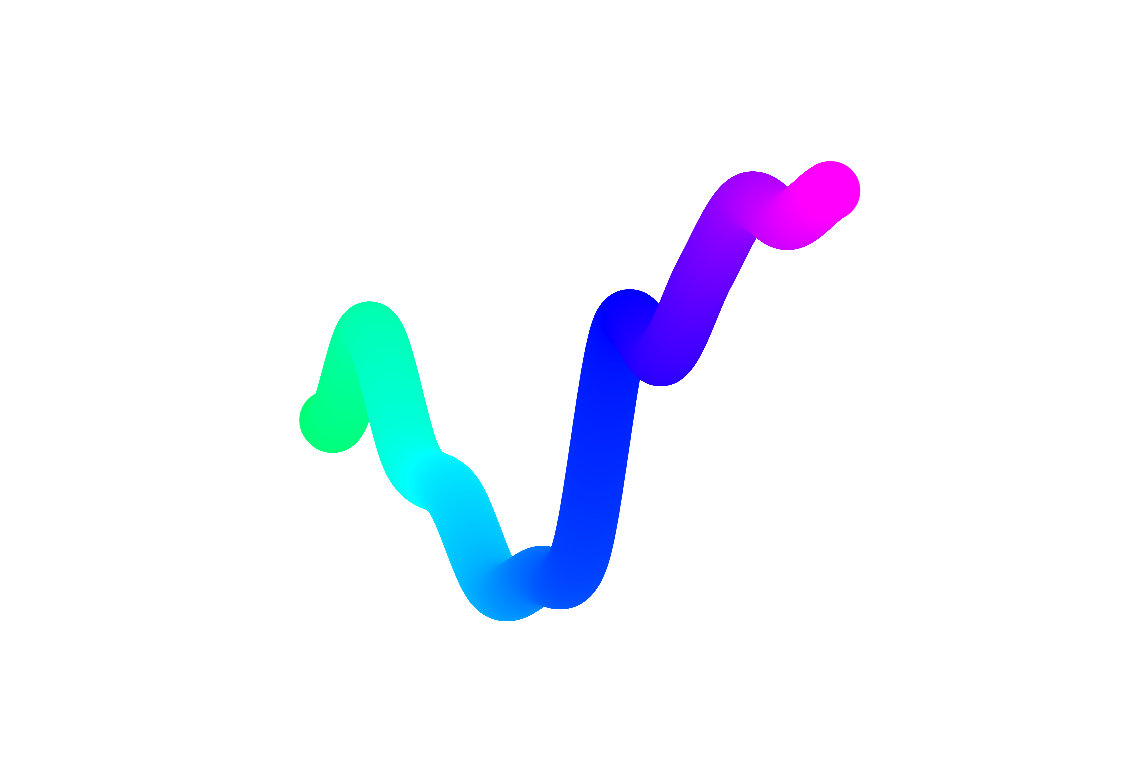
3. Chromie Squiggle #874 by Snowfro @ArtOnBlockchain
Simple and easily identifiable, each squiggle embodies the soul of the Art Blocks platform. Consider each as a personal signature by Snowfro as an artist, developer, and tinkerer. 

4. Anticyclone #279 by William Mapan @williamapan
High pressure, rotation, air flow… The "Anticyclone" series is an artistic exploration and interpretation of those concepts. The rendering borrows its aesthetics from traditional and organic media like paper and crayons, to lend an analog/archival look. "Can a computer draw like a human?" The question is asked and challenged once more through "Anticyclone".

5. CloneX #6969 by @RTFKT and Takashi Murakami @takashipom
RTFKT, together with Takashi Murakami, brought his iconic designs to the 20,000 NFTs. From Eyes, Mouths, Helmets to Clothes, these avatars will have a special Murakami Drip property defined on the blockchain.

6. First NFT #9669 by 0xDEAFBEEF @_deafbeef
First satirical on-chain generative text NFT about NFT firsts. Don't sleep on this historic collection.

7. Contractions #219 by Loie Hollowell
Loie Hollowell’s first-ever NFT project, titled Contractions, comprises 280 unique, generative works that center on the artist’s embodied experiences with childbirth. Based on Hollowell’s Split Orb sculptural paintings, which she began creating following the birth of her second child, the Contractions NFTs feature two bifurcated orbs situated one on top of the other, with the top orb representing the artist’s brain and the lower orb signifying her pregnant belly and cervix…

What made you select these works to highlight?

All examples of historic blue-chip art and collectibles that I love and am honoured to possess.

How do go about adding new art to the collection?

I need to love the work, then it is about other value drivers such as historic significance, cultural significance, technological significance, etc > there are 100 factors, the last layer of analysis is investment value - I would like to say monetary value is irrelevant, but I do want the work I own to be relevant for the wider market as well. I could go on endlessly about this topic because I specialise in Collectibles as an Alternative Asset.

How do you discover new work?

Twitter, Instagram, Art fairs and events

Is there any advice you'd give to someone interested in collecting art on the Blockchain?

Check the integrity of the contract, validity of IP, security of storage - lastly, get a hardware wallet

Colborn @co1born

Presently, I find myself thinking about the global monocultural and assorted means to effectuate broad structural and systemic change. I am broadly and gravely concerned for our collective future and believe there is a massive need for new leaders and institutions to emerge which incubate alternative ideologies. Fighting my own existential dread, I try to leave as much of myself onchain as possible. 

1. The Great American Supernova (still from gif) by @ROBNESSOFFICIAL

2. Death of an AI by Leo Isikdogan @leoisikdogan

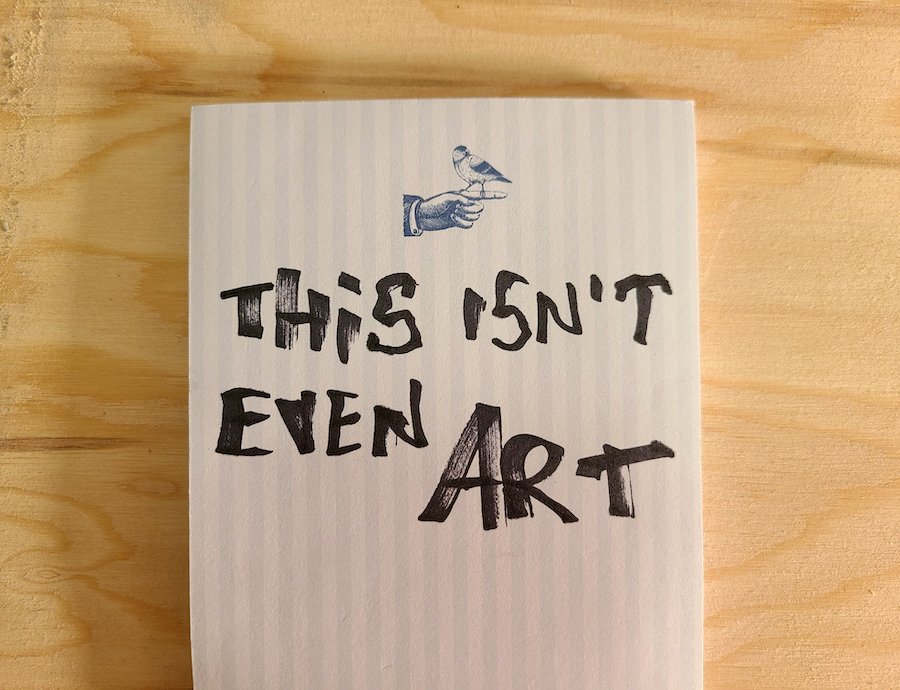
3. THIS ISN'T EVEN ART by Max Osiris @maxosirisart

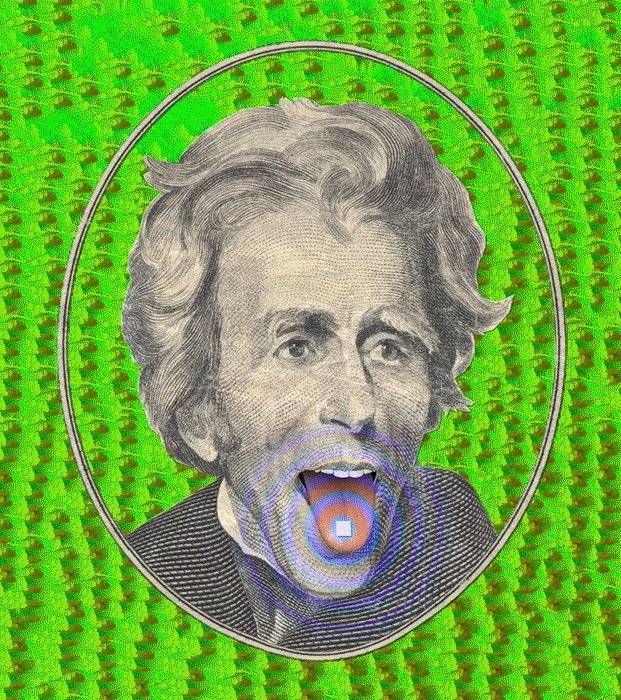
4. Andrew Jackson on Acid (still from gif) by @Zebbler

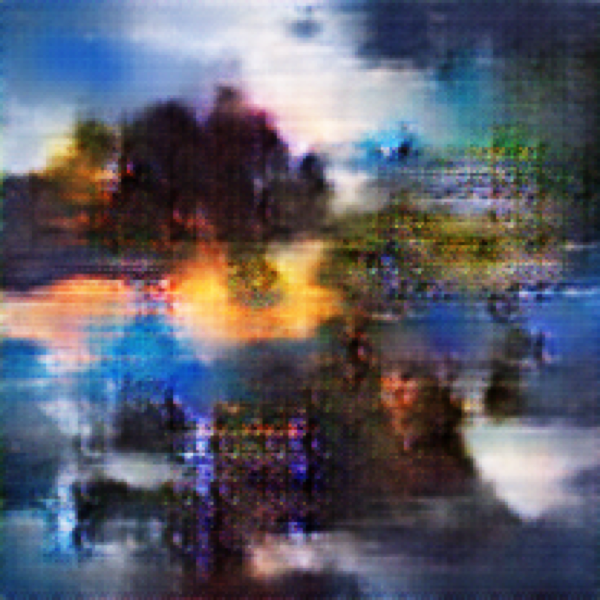
5. r/EarthPorn/Night-River by zaza 

6. Self-reflection by Mikedotalmond @mikedotalmond

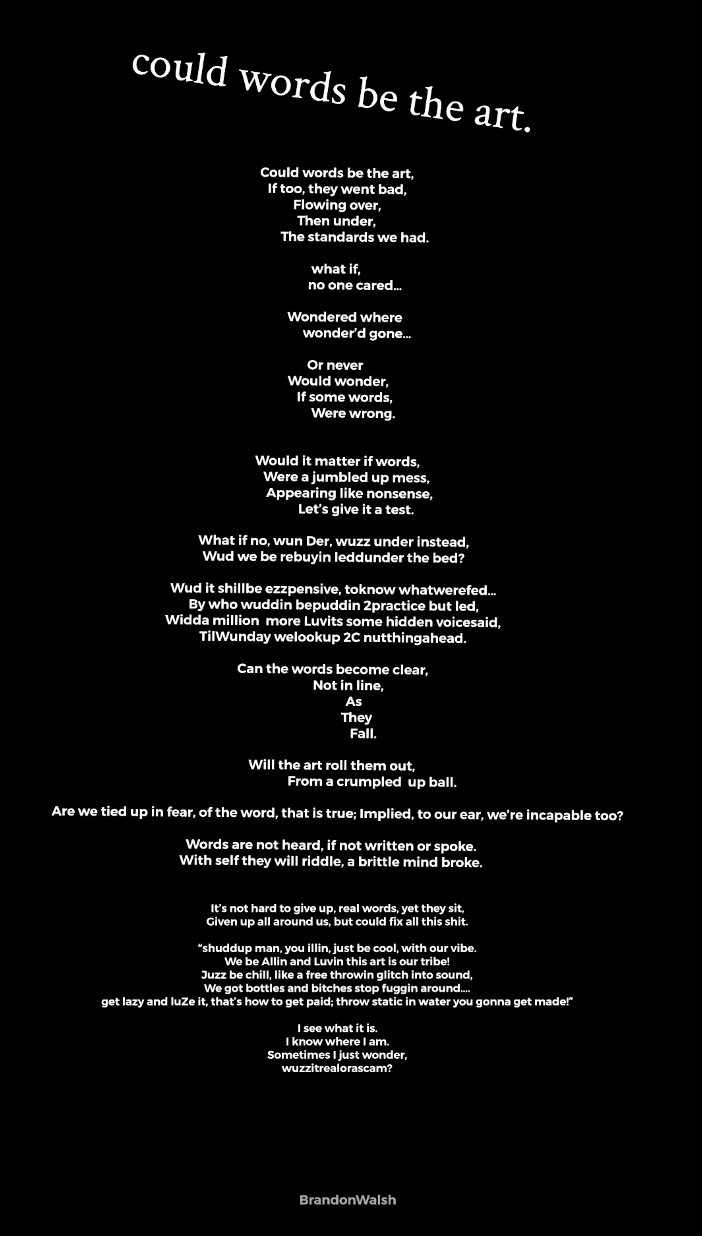
7. Could words be the art by Brandon Walsh @NFTWannabe

What excites you in the works shared? How did they make their way into your collection?

I find there is a collective exasperation in the game we have constructed for ourselves.  i am witness to (and perhaps facilitating) a tremendous escapism from this reality.  i am equally witness to some brilliant and passionate individuals who push against this tide.  i think these works are precursors or warning signals to what will inevitably be a colossal collapse of society. our society is one of spectacle, in which authentic social life has been replaced by its representation, interactions dictated strictly by the commodities we are perceived to hold.  this curation is more reflective of my current mood than of the collection.  im not sure these works excite me, but i purchased them because i thought they were prescient, and it was nice to know other people were experiencing and reflecting similar feelings.

Is there anything particular you look for in a work? How do you make your decisions to collect? 

Yes, but to describe it would really be futile because it is a constantly shifting ever evolving feeling that revolves around my growth as an individual. It's almost like I don't know what I'm looking for until I find it.  experientially i would describe it as hearing a song from your past, one you haven't heard in a while, and being immediately transported back to that moment in time, except the experience is in reverse. I look for works that transport me to the edge of the future or trigger and allow me to extrapolate on an ontology that posits how we got there. Because when I understand how we got there, I can reorient my present to reflect this new information and I feel myself growing. 

How do you discover new work? 

I spend a lot of time in the MOCA Community Collection, which is a collection of 9000 artworks contributed by our 3600+ users.  i enjoy it because it removes artworks from a market context, is randomized every 24 hours, and is aggregated based on the preference of other collectors. This is where I go when i'm looking for something that catches my eye for raw discovery.  

Is there any advice you'd give to someone interested in collecting art on the Blockchain?

Sure I have plenty of advice, feel free to contact me to discuss. The best advice I ever heard was from artnome and paraphrased that is "buy art you love, from artists you want to support, at prices you can afford, and you'll never be disappointed" or something like that.

Debussy @Debussy100

I love collecting beautiful works of art

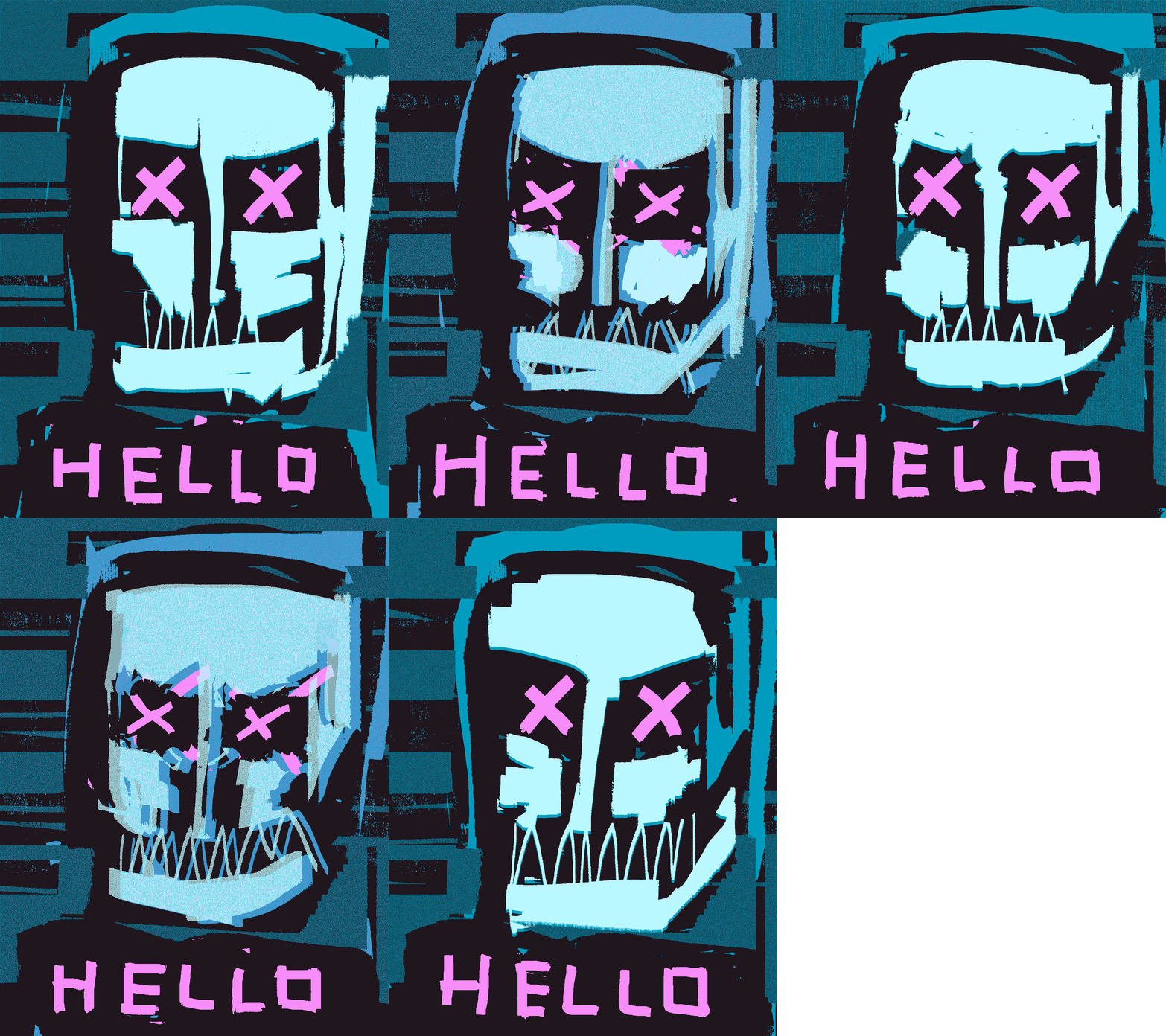
hello admin dm me by XCOPY

Collection: JEB9

What can we find in your collection?

Some of these are NFT artists that have become "bluechip" and some are up and coming artists that I think have a bright future in the space. I found them by interacting with them and looking to see if they're in the NFT space for the long-term and not to just make a quick penny.

How do you discover new work? 

Twitter

Is there any advice you'd give to someone interested in collecting art on the Blockchain?

My advice would be to take your time and talk to the artist. Try to find an artist that is doing something different and that is here to help grow the NFT space. Also, don't fall into the twitter hype machine when you see bigger names pumping an artist. Finally, always listen to your gut.

Substack Newsletter