2016 in Digital & New Media Art by Aleksandra Art

It started with that 2016 Instagram trend. People reposting old pics, blurry selfies, VSCO edits, oddly sincere captions. It didn’t feel like simple nostalgia. It felt like people circling a moment when the internet still hadn’t fully comprehended where it was headed.
That curiosity pulled me in. I started asking what was actually happening in digital and new media art in 2016. Not just aesthetically, but structurally. Institutionally. Politically.

What I found was a year where many of today’s dominant narratives were still open questions. Surveillance. Immersion. Blockchain. Digital ownership. Institutional legitimacy. 2016 wasn’t the beginning, but it was a fascinating snapshot looking back. A year where multiple futures briefly coexisted.

This, as always, is not a comprehensive list - but hopefully holistic enough for all of you to dive in!

1. Whitechapel Gallery 2016: Electronic Superhighway
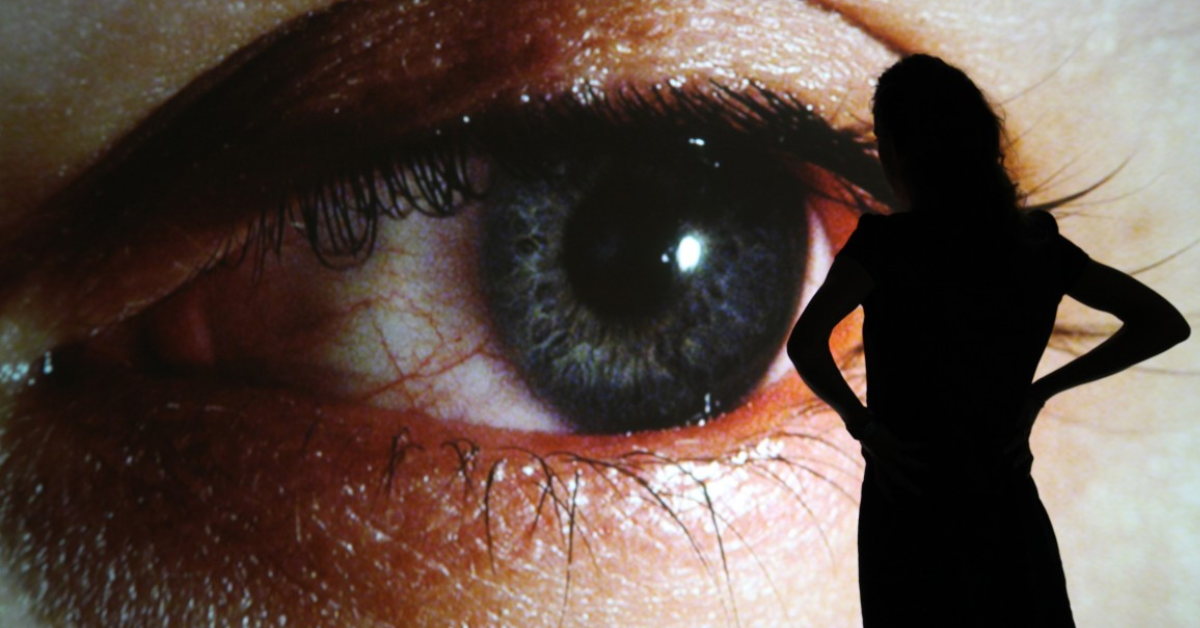
Rafael Lozano-Hemmer, Surface Tension (1992) Courtesy the artist and Carroll/Fletcher, London. Installation photograph by Maxime Dufour  © Rafael Lozano-Hemmer

Electronic Superhighway show, curated by Omar Kholeif, with significant contributions from Emily Butler (Assistant Curator) and Séamus McCormack (Assistant Curator), brought together over 100 works tracing artists’ relationships with computers and networks from the 1960s onward. It refused the idea that digital art was new, trendy, or purely technical.

Some of the exhibiting artists went on to also release their works on the blockchain in recent years, including Jan Robert Leegte, Trevor Paglen or Lynn Hershman Leeson.

By placing early experiments next to contemporary works, the exhibition made it clear that artists have always been ahead of cultural anxiety. What changes is not fear, but scale.

2. Lumen Prize 2016 Gold Award winner: Hyperplanes of Simultaneity
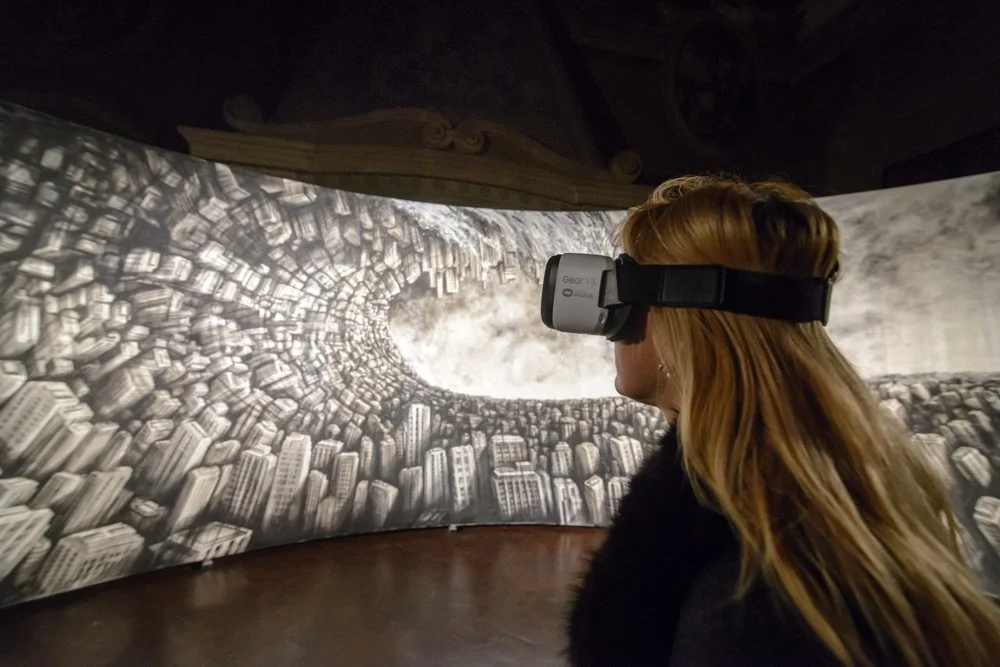
Installation view, Hyperplanes of Simultaneity by Fabio Giampietro & Alessio De Vecchi

Hyperplanes of Simultaneity, by Fabio Giampietro & Alessio De Vecchi, dissolved the fixed image. Instead of standing in front of a painting, viewers navigated inside it through VR. Perspective became something you performed rather than observed.

This shift feels foundational now, when immersion is no longer novel but expected.

3. MuDA (Museum of Digital Art) 2016 Opening
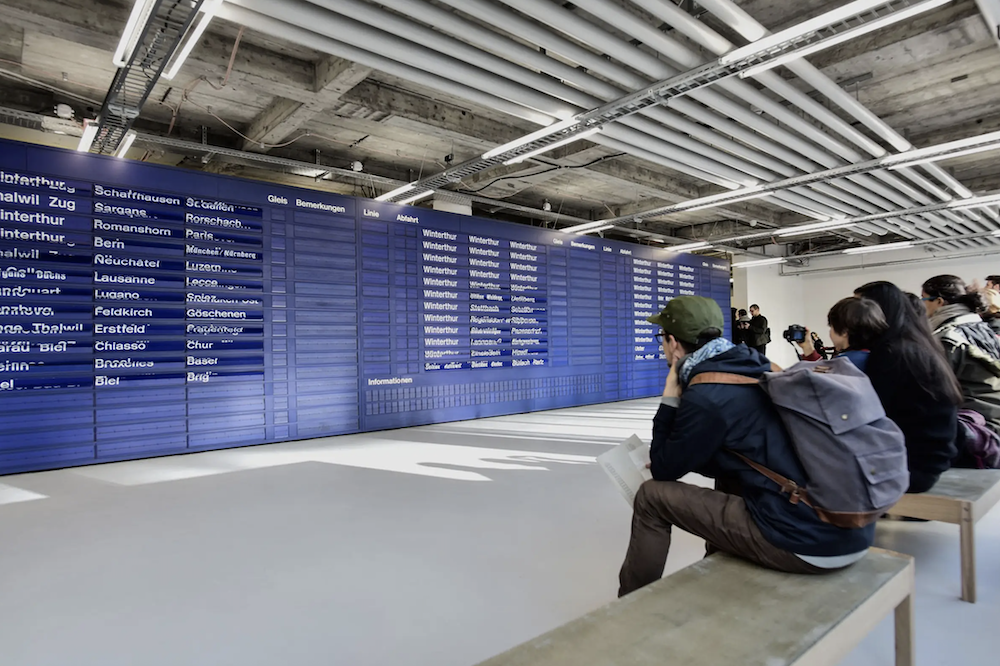
Gysin-Vanetti, Herdern Hochhaus, Zurich, Feb 12 – Aug 14, 2016

MuDA opened in Zurich as an institution dedicated entirely to digital art.  The institute was opened in February 2016 in Zurich by the non-profit Digital Arts Association. It closed only a few years later, in 2020, but its presence mattered.

For its opening exhibition, Swiss digital duo Andreas Gysin and Sidi Vanetti reprogrammed a 13-metre electromechanical board from Zurich’s main station into an installation, which offered early visibility to new work that combined code and physical experience.

As MuDA co-founder Christian Etter later put it:
“What is art? Whatever does not have an economic purpose and creates an insight, or helps people to see new perspectives, this is art for me.”

That philosophy feels especially fragile in digital contexts, where value is so often measured financially.

4. Berlin Biennale 2016 - Blockchain Visionaries by Simon Denny with Linda Kantchev
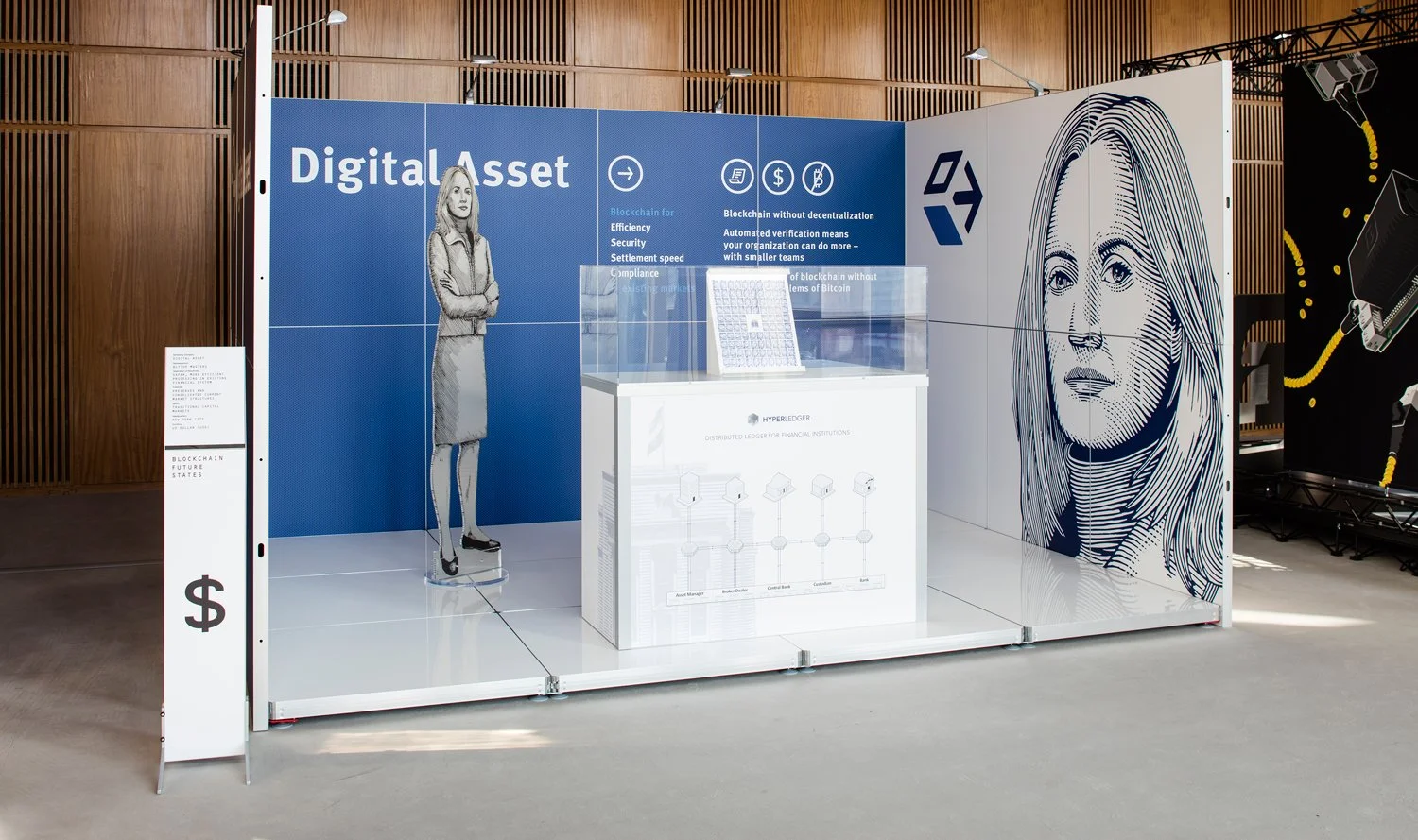
Installation view of "Blockchain Visionaries," 2016; courtesy Simon Denny; Galerie Buchholz, Cologne/Berlin/New York; photo: Timo Ohler

Blockchain Visionaries showcased three real companies - Ethereum, 21 Inc, and Digital Asset Holdings. Denny has created a trade-fair-like information booth and a postage stamp for each company, which individually embody a future direction in blockchain technology.

There was no consensus on whether blockchain would empower artists, dissolve institutions, or simply reproduce existing inequalities. The Biennale captured blockchain at a moment when it was still speculative in the philosophical sense, not yet dominated by financial narratives.

5. STARTS Prize 2016 Grand Prize winner: Magnetic Motion
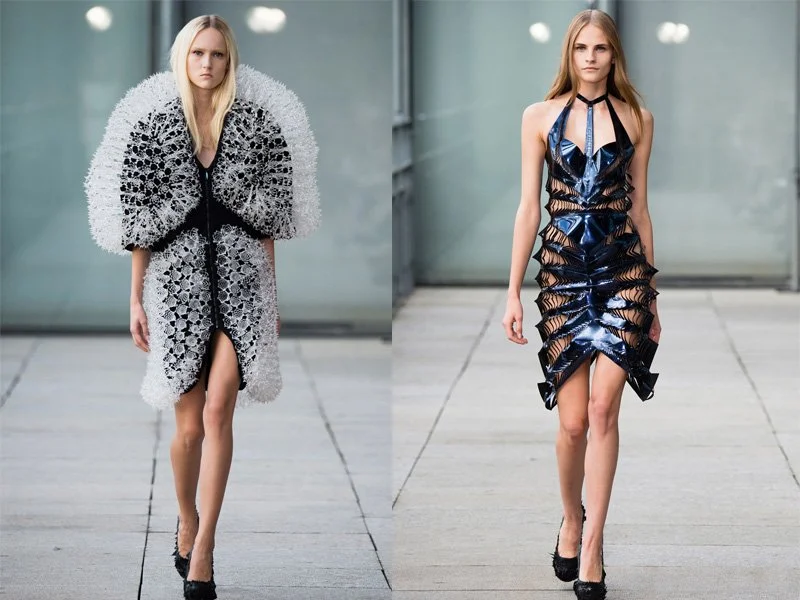
Iris Van Herpen RTW SS 15 “Magnetic Motion” Photos from Style.com

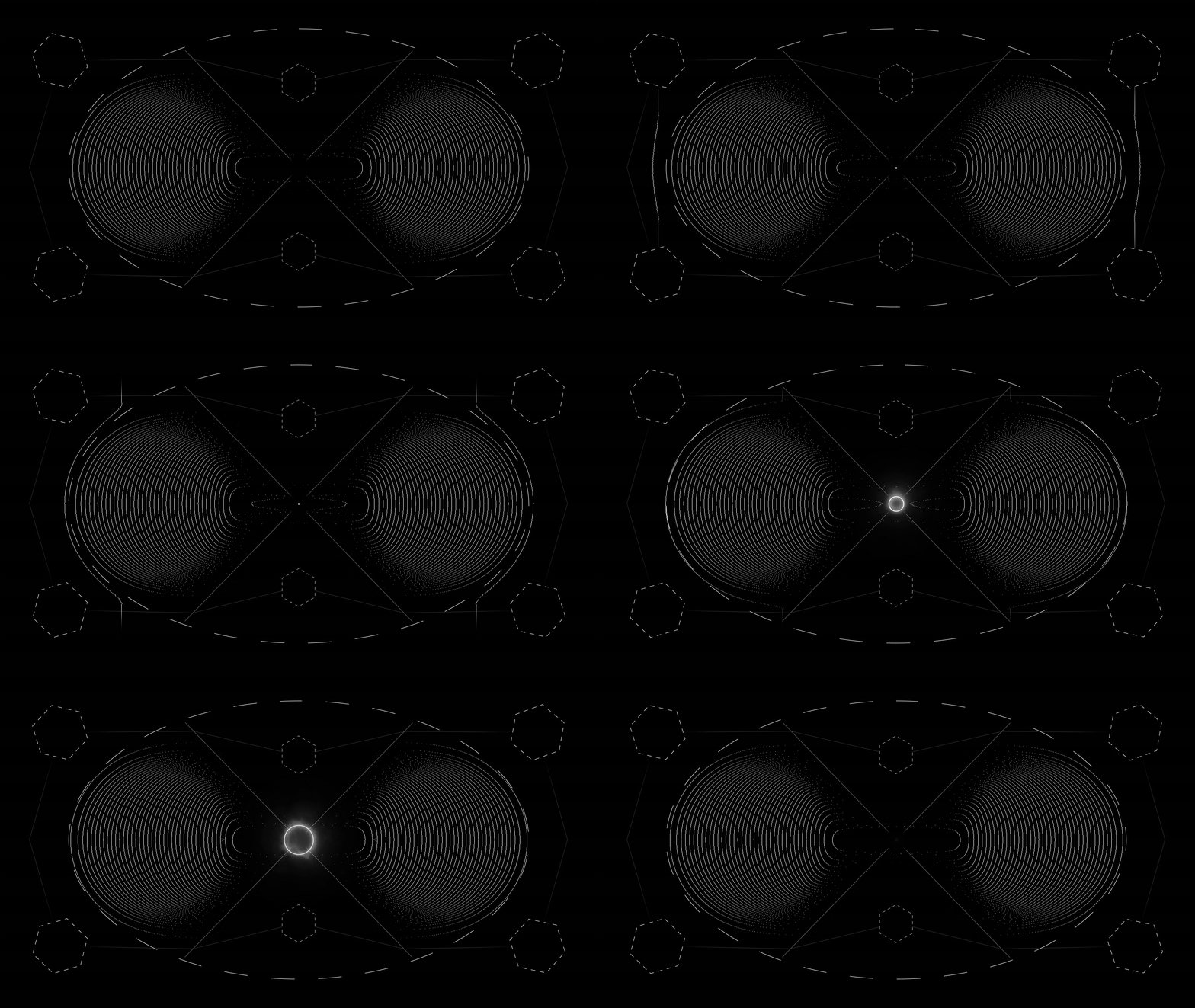
Magnetic Motion, by Iris van Herpen,  fused couture, computation, and physics, drawing inspiration from CERN’s Large Hadron Collider. Digital thinking here reshaped material form itself.

What makes this moment significant is how naturally the project blurred disciplines. Fashion became a site for data, physics, and algorithmic thinking, long before “hybrid practice” became an institutional buzzword. The piece suggested that digital culture wasn’t something we would simply look at, but something we would increasingly inhabit - like we later saw with the digital fashion work of The Fabricant or Dress X.

6. Rare Pepe 2016 release
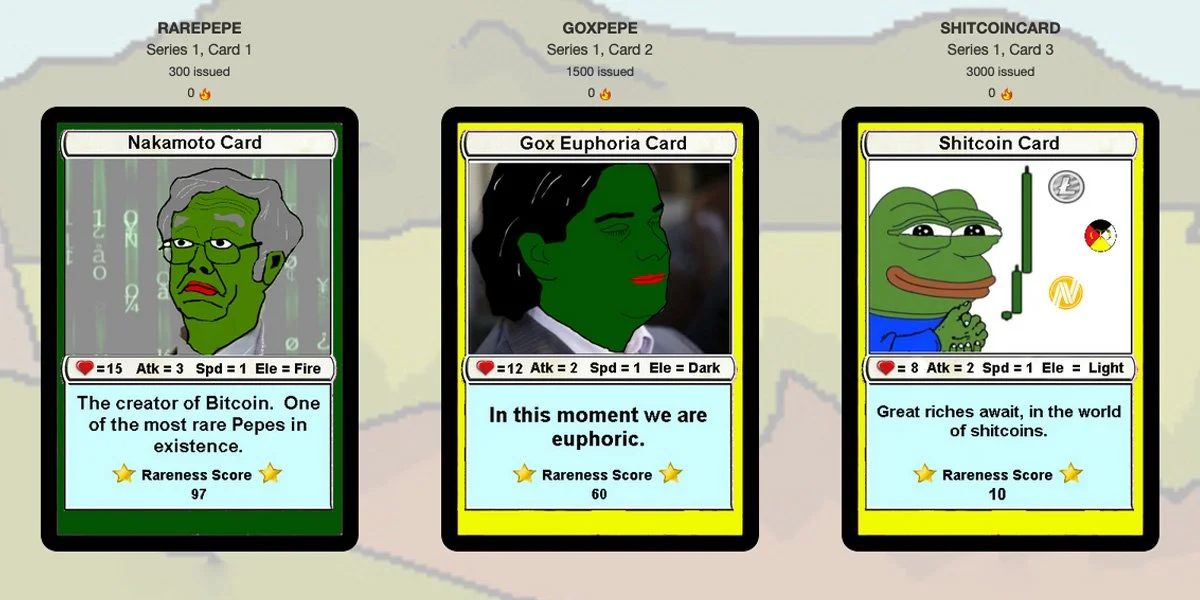
First three blockchain-based Rare Pepe cards created by anonymous user Mike (2016), via MLO

In September 2016, the Rare Pepe (collectible digital trading cards) were minted on the Counterparty protocol, representing some of the first digital “art tokens” designed to be traded, bought, sold, or destroyed on a blockchain. They reference the  Pepe character, created by Matt Furie back in 2005 for his self-made zine Playtime.

(more on Rare Pepe in my 2021 article)

What mattered was not polish, but possibility. Ownership became programmable.

7. SIGGRAPH 2016: Steina Vasulka Receives Lifetime Achievement Award in Digital Art
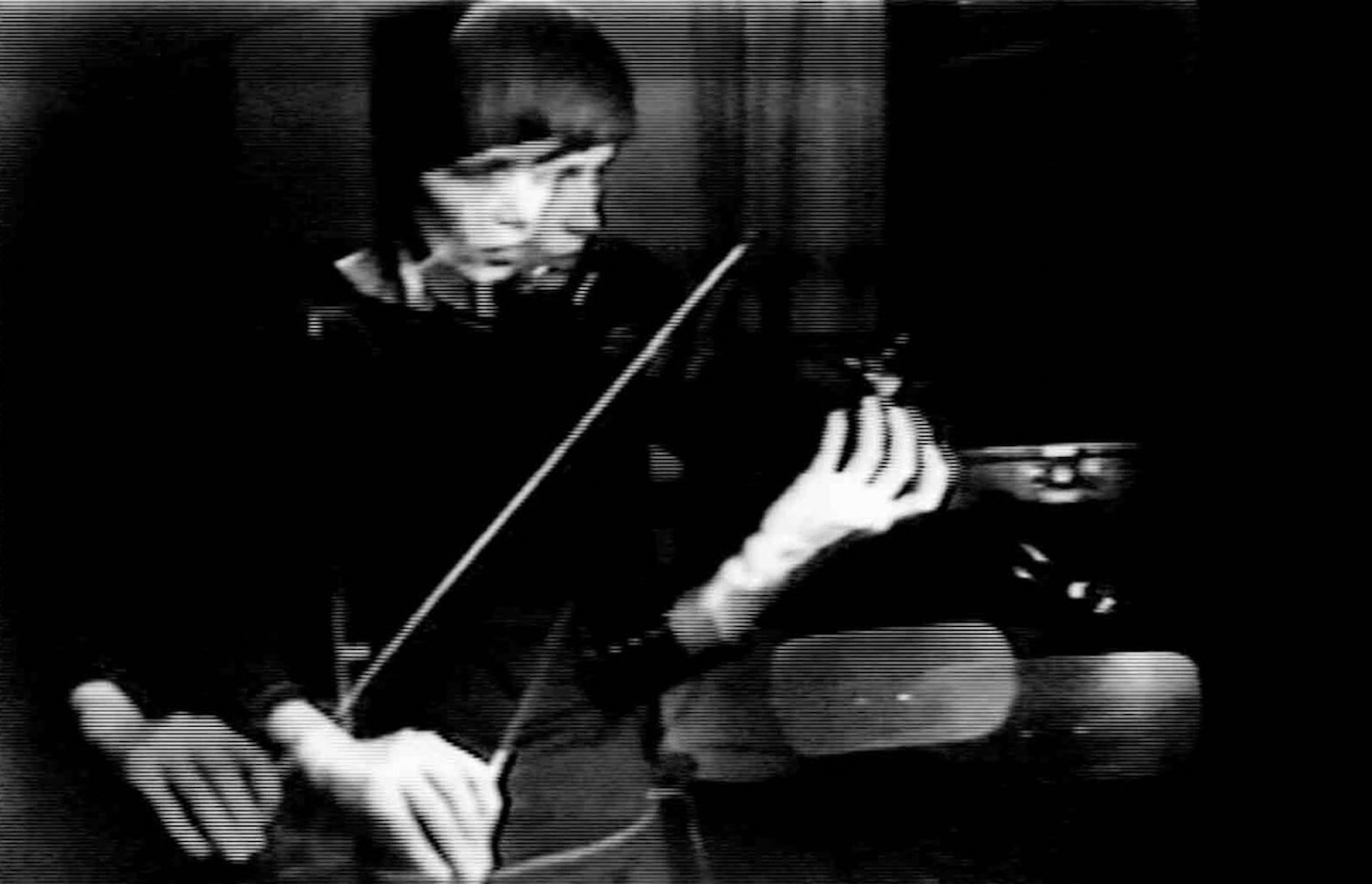
Violin Power, Steina, 1970-78, 10:04 min, b&w, sound

The 2016 ACM SIGGRAPH Lifetime Achievement Award in Digital Art was awarded to Steina Vasulka, a major contributor to the development of an intellectual and institutional framework for video and installation art, which she has continued to nurture and promote in a variety of contexts. 

She began working with video in 1969, co-founding The Kitchen, an Electronic Media Theatre in SoHo, described as “An Image and Sound Laboratory”. 

Her major retrospective exhibitions running into 2026, include Steina: Playback, organized by MIT List Visual Arts Center, touring from Buffalo AKG Art Museum (March–June 2025) to the National Gallery of Iceland & Reykjavík Art Museum (October 2025–January 2026).

It grounded the field in memory at a moment when speed threatened to erase it.

8. Nam June Paik Art Center Prize 2016 winner: ‘Blast Theory’
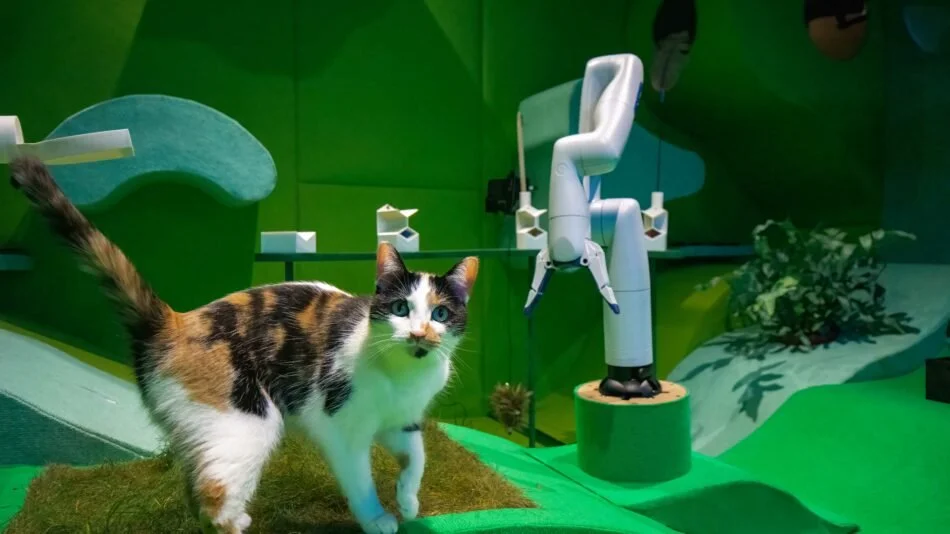
Cat Royale by Blast Theory

Blast Theory was founded in 1991 by Matt Adams, Niki Jewett, Will Kittow and Ju Row Farr. The collective received the Nam June Paik Art Center Prize in 2016, a fitting recognition for a group whose work has consistently treated technology as something lived rather than observed. 

Long before social media, apps, or location tracking became mundane, Blast Theory was creating participatory works that fused performance, gaming, surveillance, and physical space.

9. Prix Ars Electronica 2016 "Golden Nica: Interactive Art +" award winner:  "Can you hear me?" by Mathias Jud & Christoph Wachter
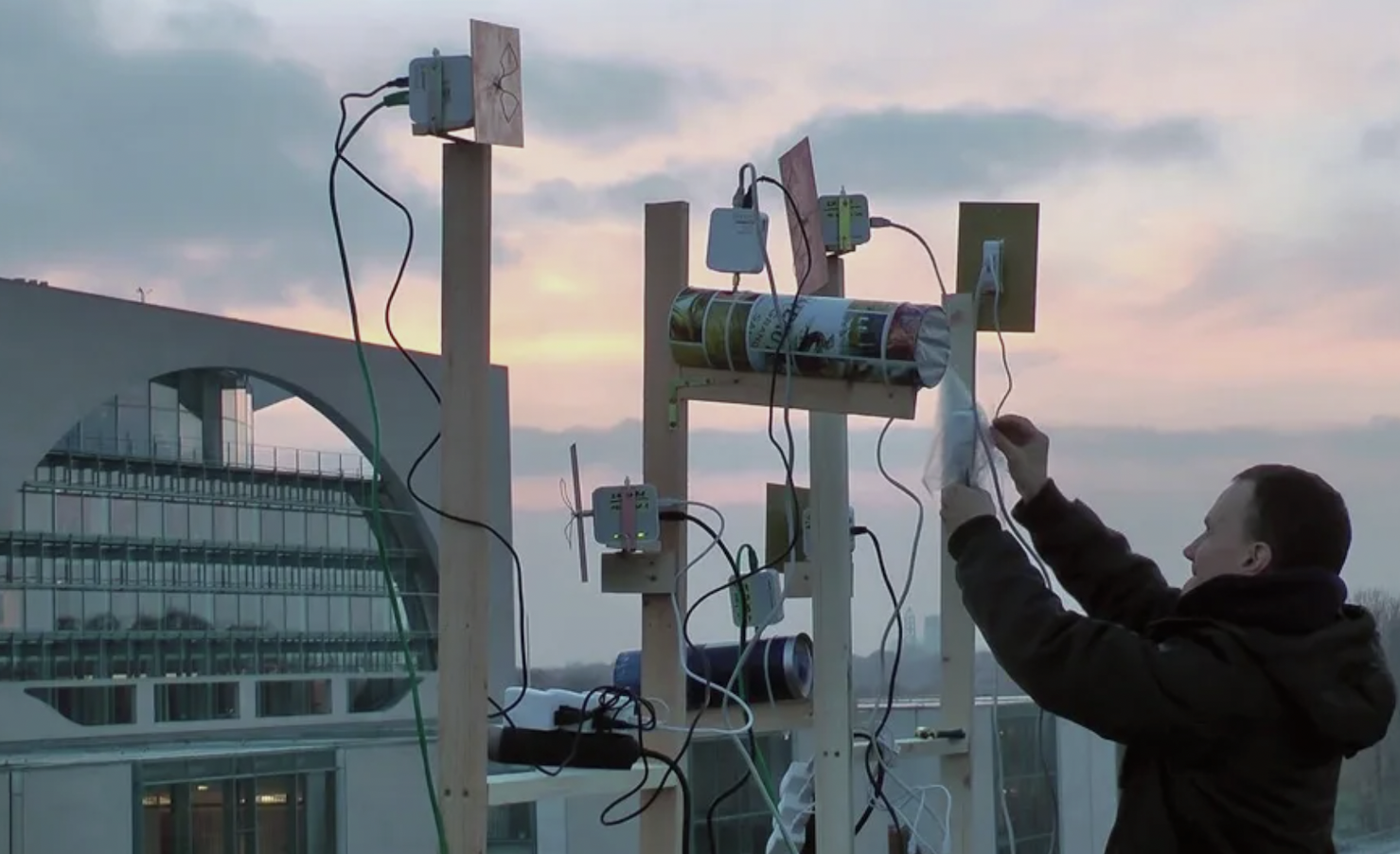
"Can you hear me?" by Mathias Jud & Christoph Wachter address the issue of power and powerlessness in the Digital Age. 

Above the rooftops at the epicenter of political power in Germany, the two artists set up an autonomous WiFi communications network and invited anyone in Central Berlin with a WiFi-capable device to connect to the network and use it to chat, send text messages and exchange files. Learn more.

It treated transparency not as metaphor, but as action.

10. Thoma Foundation 2016 Arts Writing Awards in Digital Art winners: Christiane Paul & Nora Khan
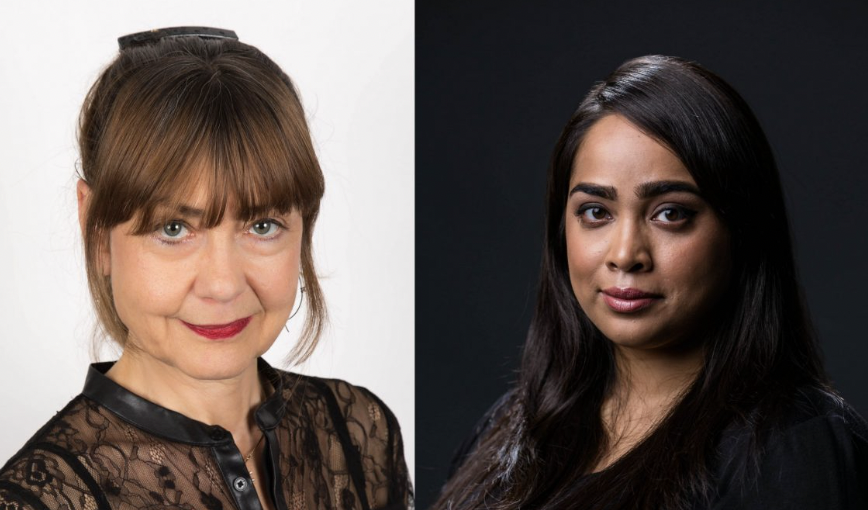
Christiane Paul & Nora Khan

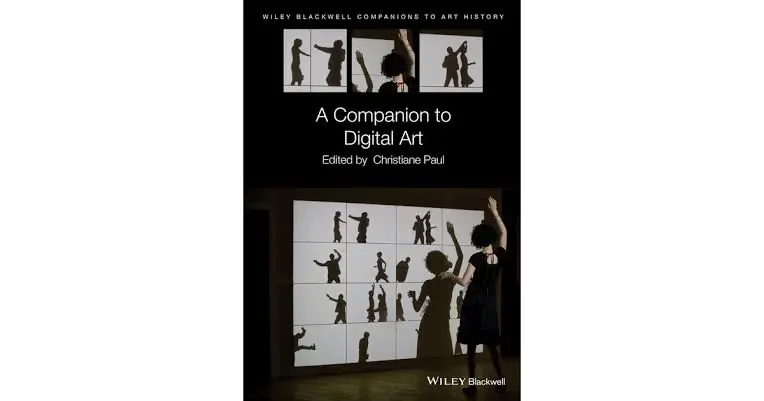
In 2016 the Carl & Marilynn Thoma Art Foundation recognized two voices that were shaping how we talk and think about digital art with its Arts Writing Awards: Christiane Paul in the established category and Nora Khan in the emerging category. Christiane Paul, a curator and scholar at the Whitney Museum of American Art, was honored for her extensive writing that situates digital art within broader art history and bridges diverse communities through books, essays and curatorial work. Notably, her 2016 book “A Companion to Digital Art”.

Nora Khan, a contributing editor at Rhizome, was celebrated for her imaginative and boundary-blurring essays about digital culture, from the affective life of emoji to the aesthetics of artificial intelligence: writing that pushes the field beyond criticism into speculative and expressive territories.

Looking back, 2016 feels unresolved. Not naive, but undecided. Many paths opened that year before narrowing into platforms and markets.

Revisiting it now feels less like nostalgia and more like recovery. To quote Dickens, "in short, the period was so far like the present period" - a reminder that the ever-evolving future has more than one possible shape.
Collecting Digital Art: Historic Collections on the Tezos Blockchain. Part1. by Aleksandra Art

Digital art, also known as new media art, has been a growing part of museums and contemporary art scenes since the 1960s. With the advancement of Blockchain technology, the emergence of NFT platforms allowed the commercialization of digital art at scale by providing a way to establish ownership and authenticity, allowing artists to sell their digital creations as unique assets.

Following the launch of Tezos’ first marketplace the hic et nunc in March 2021, some of the world's most prominent digital creators expressed a surge of interest in releasing art on the Tezos blockchain, many releasing NFTs for the first time. Since then, the ecosystem became home to new platforms such as objkt.com, teia, fx(hash) or emergent properties, and thousands of artists, collectors and curators.

magdorm, by @p1xelfool & @Nicolas_Sassoon, Minted May 24, 2021

At the same time, artist residencies, festivals and embrace of Tezos by traditional institutions such as MoMA, Serpentine, Musée d'Orsay, Museum of Moving Image and many others were supported to facilitate broader adoption, provide opportunities for creators and raise the cultural significance of the works.

Display of ‘b a r b i e ~ w o r l d ~ b r e a k d o w n’ by @sabatobox at Museum of Moving Image, NYC

Three years passed by, and the demand for iconic collections from the 'historic' early period is rising from individual collectors, art funds, and collector DAOs. In a series of episodes, I'll highlight (in no particular order) the collector's choice selection of artists' series.


Zancan

Lushtemples — Highlights of the Hike Garden, Monoliths  #156, by @zancan, Minted throughout 2021

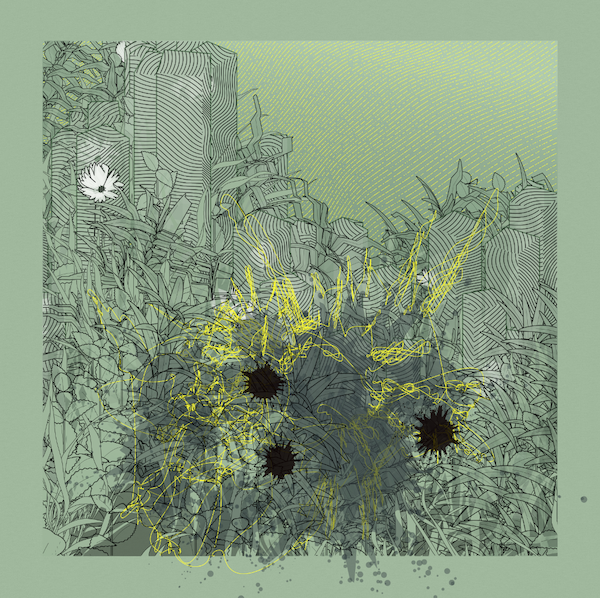
Michael Zancan is a generative artist and oil painter who is among the best-known artists in the Tezos ecosystem. In July 2022, he made his first public appearance at the generative art panel I was fortunate to moderate, during which he shared more about his practice and work. Watch it here.

The most acclaimed collection of his thoughtfully crafted generative works is Garden, Monoliths released on fx(hash). A more unique series, which are now highly difficult to attain and in the hands of true aficionados of his work is Lushtemples, dating back to October 2021.


Kim Asendorf

Still from monogrid 97, by @kimasendorf, Minted Oct 9, 2021

Kim Asendorf is a German artist creating abstract visual systems, conceptually set and realized in algorithms. He’s been widely acknowledged in publications and his work was featured at The Photographers' Gallery in London, Transmediale and Office Impart to name a few.

One of his most prominent collections from 2021 is ‘monogrid’, consisting of 256 real-time animations. To truly experience the series one can interact with the works on this dedicated website and learn more about the project here.


Auriea Harvey

Minoriea v1-dv1, 2021, Digital sculpture by Auriea Harvey @auriea. AR on mobile. Minted Apr 16, 2021

American-born Harvey's work combines digital and physical processes to create sculptures in physical space and mixed reality.  Harvey is a pioneer of the first wave of Internet Art, contributing to the first Internet project commissioned by a major institution (the Guggenheim Museum) and winning the first major prize given for an interactive work (from the SFMOMA).

Most recently, she was curated by objkt.one as part of MATTER & DATA exhibition at Digital Art Mile during Art Basel in Switzerland and has her first major survey My Veins Are the Wires, My Body Is Your Keyboard exhibited at Museum of Moving Image where visitors can collect a fragment of the larger work as an NFT.

Travess

Selection of work by Travess from the Pixel Rugs series

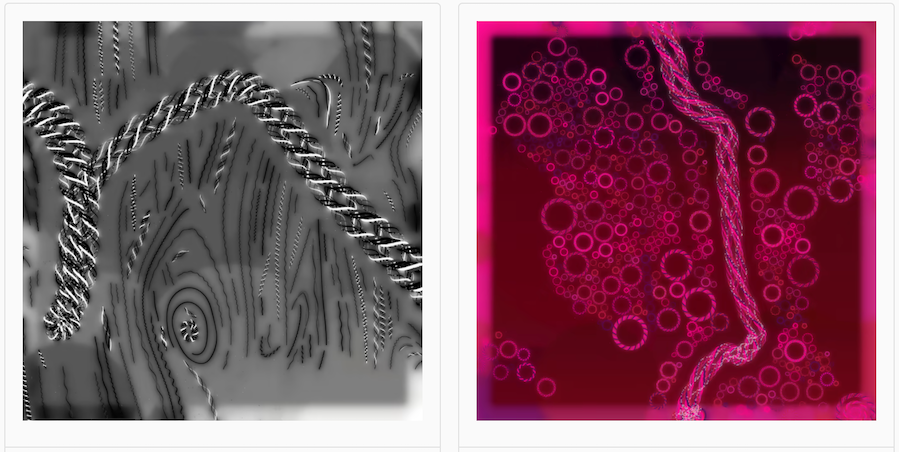
Travess Smalley specializes in computational generative image systems, developing painting software, computer graphics, digital images, books, drawings, and Pixel Rugs. He is an Assistant Professor of Print Media at the University of Rhode Island, and a Critic at the Rhode Island School of Design.

Pixel Rug, originally released as part of a daily series of generated digital images on hic et nunc, is created from a computer script filled with chance actions and random number generators, so no two rugs look the same. This iconic ongoing collection has been featured in numerous publications and exhibitions.


John Karel

Window Still Life 042, .gif by @jjjjjjjjjjohn, Minted Apr 19, 2021

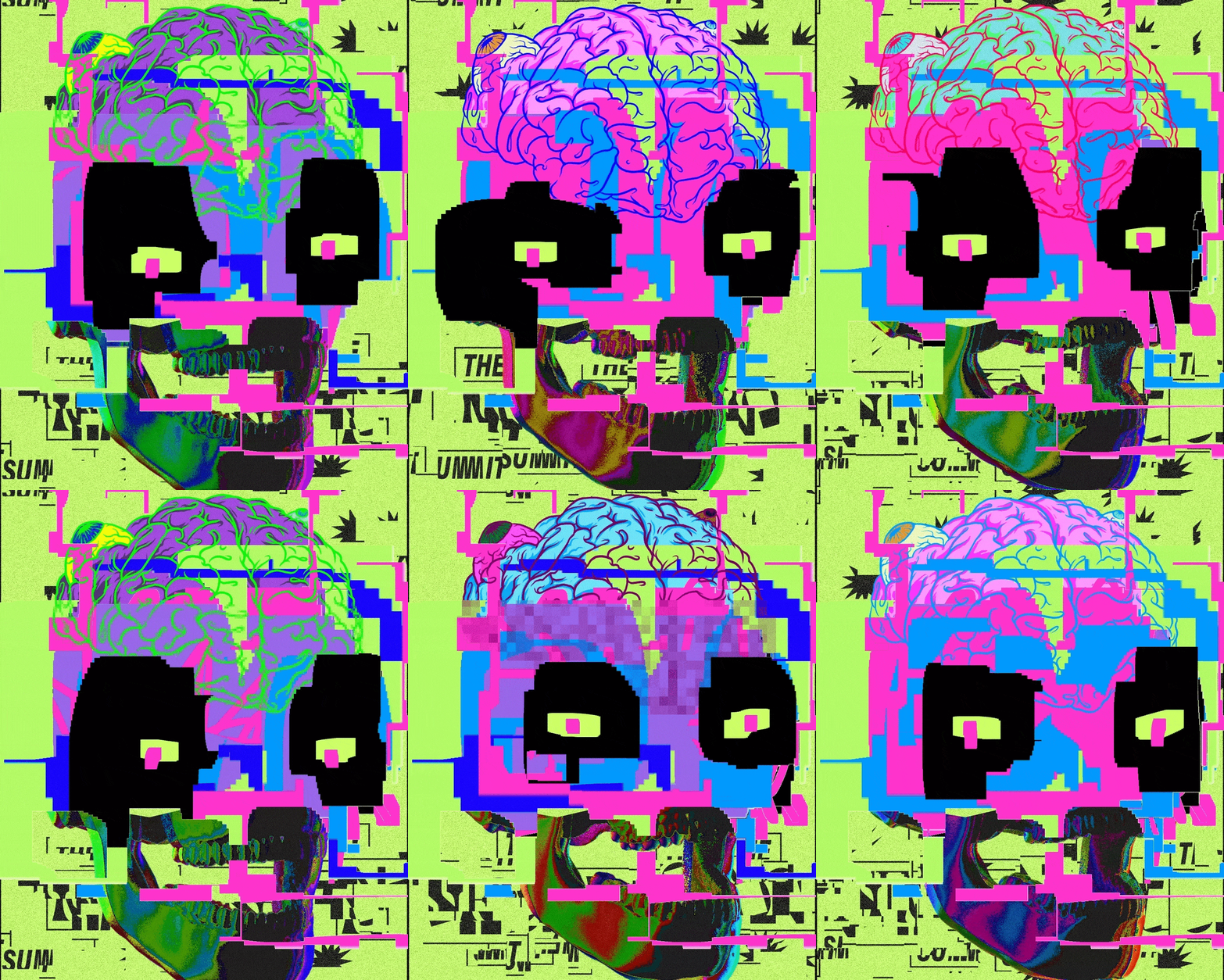
Countless internet users have seen artist John Karel's playful skeleton cartoon character (the artist's GIFs on Giphy have approximately 20 billion views). In 2021, he also released an NFT everyday life series titled Still Lifes, featuring dozens of Window Still Lifes in a consistent arrangement with unique thematic subject references. 

The demand to own a skely from John Karel got so high that he also released a collectible series titled ‘randomly common skeles’ with nearly 38000 skeles collected. The windows series is now a hallmark of the early era, and his art on the blockchain.


die with the most likes

dying in the pacific northwest trash vortex, by @toadswiback, Minted Aug 6, 2021

Mark Wilson, more prominently known under his artistic alias 'die with the most', is an American artist known for his striking neo-expressionist art with satirical pop culture references. His series reflects the evolution of prominent moments in the global newsfeed and the crypto art community. At the same time, the artistic persona on X/ Twitter has developed into a dystopian storytelling narrative of its own.

In addition to the early work, Wilson released his first generative art series on fx(hash) titled ‘glory hole$’ in May 27, 2022.


Mario Klingemann

The Wallpaper is Watching I

Face follows function. A StyleGAN2 experiment by Mario Klingemann / @Quasimondo | Interactive WebGL | Original, Minted Apr 12, 2021

Klingemann is a German artist and a pioneer in the use of computer learning in the arts who was one of the first to explore and push the boundaries of creating coding on hic et nunc. His work has been exhibited at leading museums, and the piece Memories of Passerby I is the first work made with AI to be auctioned at Sotheby's in 2019. I was fortunate to interview Klingemann back in 2020 about his artistic journey, you can read here.

Following the evolution of Klingemann’s work one follows the evolution of AI technology. His work is always one step ahead from the mass market, with a culmination approaching as you read this. That’s what holds his first creations so valuable - they capture a real moment in time, now documented on the blockchain simultaneously.


Manoloide

caza, by Manoloide, Minted May 7, 2021

Manolo Gamboa Naon, known as 'Manoloide', is an Argentinean visual artist and creative coder whose interests focus mainly on exploring generative visual aesthetics based on plastic experimentation with code. His early collection is one of the most aesthetically beautiful collections of code-based art.

In 2021, Manolo would release his works without prior announcements, and persistent collectors returning daily to his profile were rewarded with an opportunity to acquire one of the editions. The aura of mystery and lack of promotion created an organic element of excitement in the discovery.


A. L. Crego

Hypnotic Machine 3, by @ALCrego_, Minted May 31, 2021

A.L. Crego is a self-taught digital artist from Spain known for his hypnotic monochrome GIFs, which he profoundly explores as an artistic medium. There are many prominent series, with 'Hypnotic Machines' being one of the highlights. The series was conceived considering the Visual Mantra feeling that seamless gifs generate and later evolved into Visual Beats, focusing more on the beat side of the seamless gifs.

Lorna Mills

Eighth Wanda, by @lm_netwebs, Minted Aug 30, 2021

Lorna Mills is a Canadian net art and new media artist who is known for her digital animations, videos, and GIFs. Her work explores how "the notion of public decency is anachronistic" featuring images that she pulls from the “non-professional” Internet.

Mills has been widely exhibited since the early 1990s and her work is included in the collections of the Whitney Museum of American Art, Thoma Foundation and the Museum of the Moving Image among others. She has an upcoming solo exhibition with objkt.one during Paris Photo fair in November 2024.


Bird & Worm Society 🐥 🪱

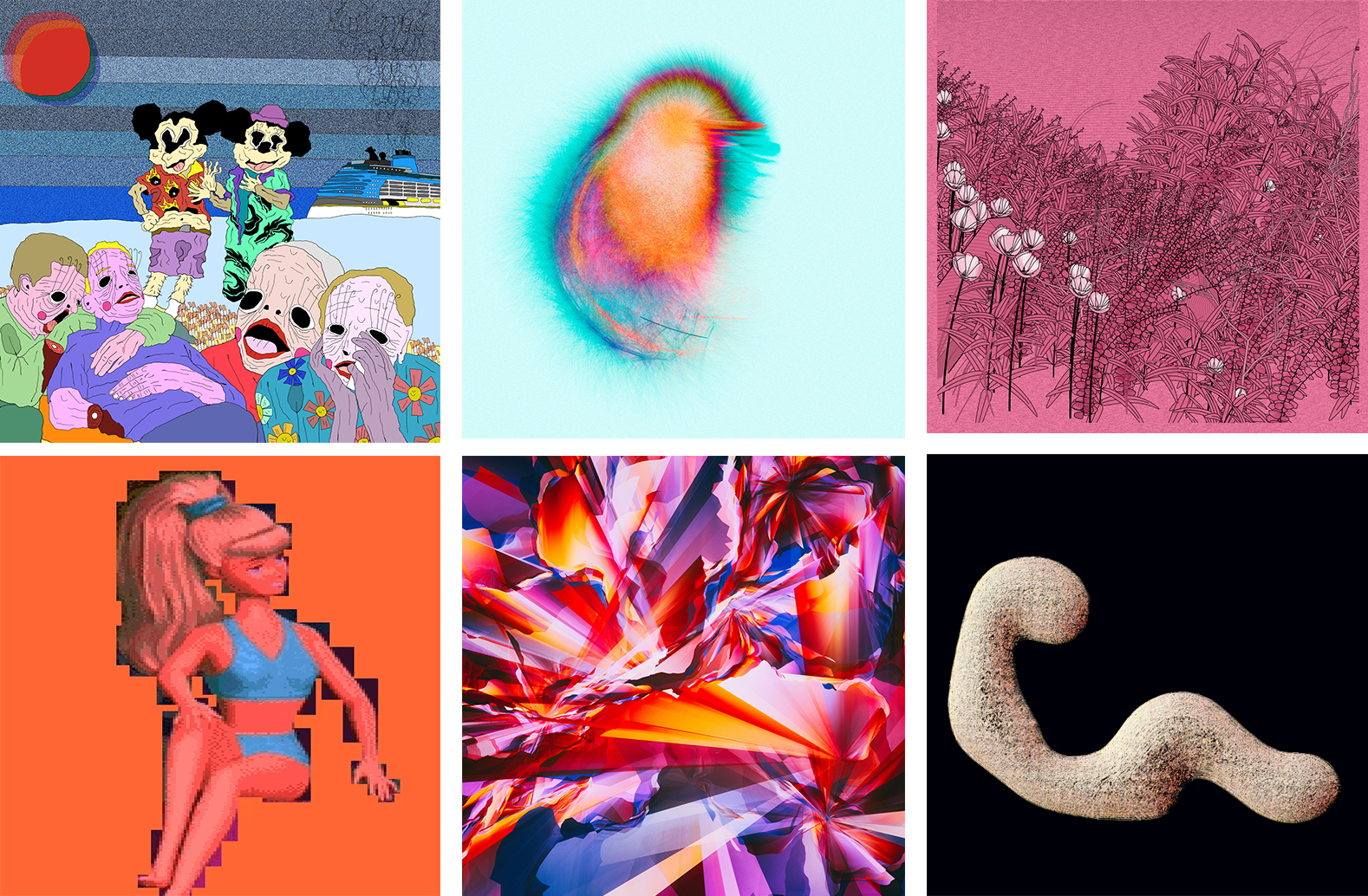
I'm letting you in on an insider secret: The Bird & Worm Society. It's a society of collectors fond of works by qubibi and Iskra Velitchkova, among others. There are no rules, only appreciation.


Iskra Velitchkova

Psychedelic chicken à la mode, by @pointline_, Minted Jun 1, 2021

Bulgarian self-taught computer artist Velitchkova, also known as pointline, explores the boundaries and interactions between humans and machines. Among her series, is one of the all time high generative collections on fx(hash) titled ‘horizon(te)s’. Created with the legendary artist Zach Lieberman, horizon(te)s explores horizons as an organizing principle.

Velitchkova's work has been featured in many publications, exhibitions and galleries, including the Ludwig Museum of Contemporary Art and Sotheby's Auction House. One of her most striking works resembles a chik, which later reappears throughout selected pieces. Thus the "bird" in the Bird & Worm.


qubibi

Selected works from @qubibi leftovers series

Kazumasa Teshigawara, most commonly known under the label qubibi, is a Japanese generative artist and designer.

The iconic leftovers collection by qubibi, featuring code-based microorganisms in a distinct style, is one of the most sought-after collections from the early era. Due to the worm-like shapes, qubibi is the other half setting the Bird & Worm Society in motion.


Finding Relevance: AI, Photography and Politics in the Works of Andreas Gursky and Alkan Avcıoğlu by Aleksandra Art

Thinking Monumental

The Silent Dialogue in the Works of Andreas Gursky and Alkan Avcıoğlu

As AI tools increasingly succeed at imitating reality and more artists embrace them, discussions surrounding originality have been on the rise. The originality I'm referring to is not as much the datasets used - another hot topic about AI "stealing" someone's style or techniques, but rather the relevance and importance of the new pieces created.

To quote John Tuld from Margin Call, "There are three ways to make a living in this business: be first, be smarter, or cheat.I'm half-joking in quoting this, but the reality is that early adopters of new technology are pioneers and celebrated for the creative use cases they bring forward. The challenge of being relevant only increases as more people enter. This phenomenon applies in many fields, and art is no exception. 

Five years ago I wrote a piece titled "AI Artists, What Are You Selling: An Image, A Neural Network Or A Story?". Some artists discussed the creative use of AI to make the final image, while other examples were prominent because of the narrative shaped behind the pieces made. I believe that in a world where society is drowning in generated content, the need to shape artistic relevance that contributes to a broader dialogue is ever-important.

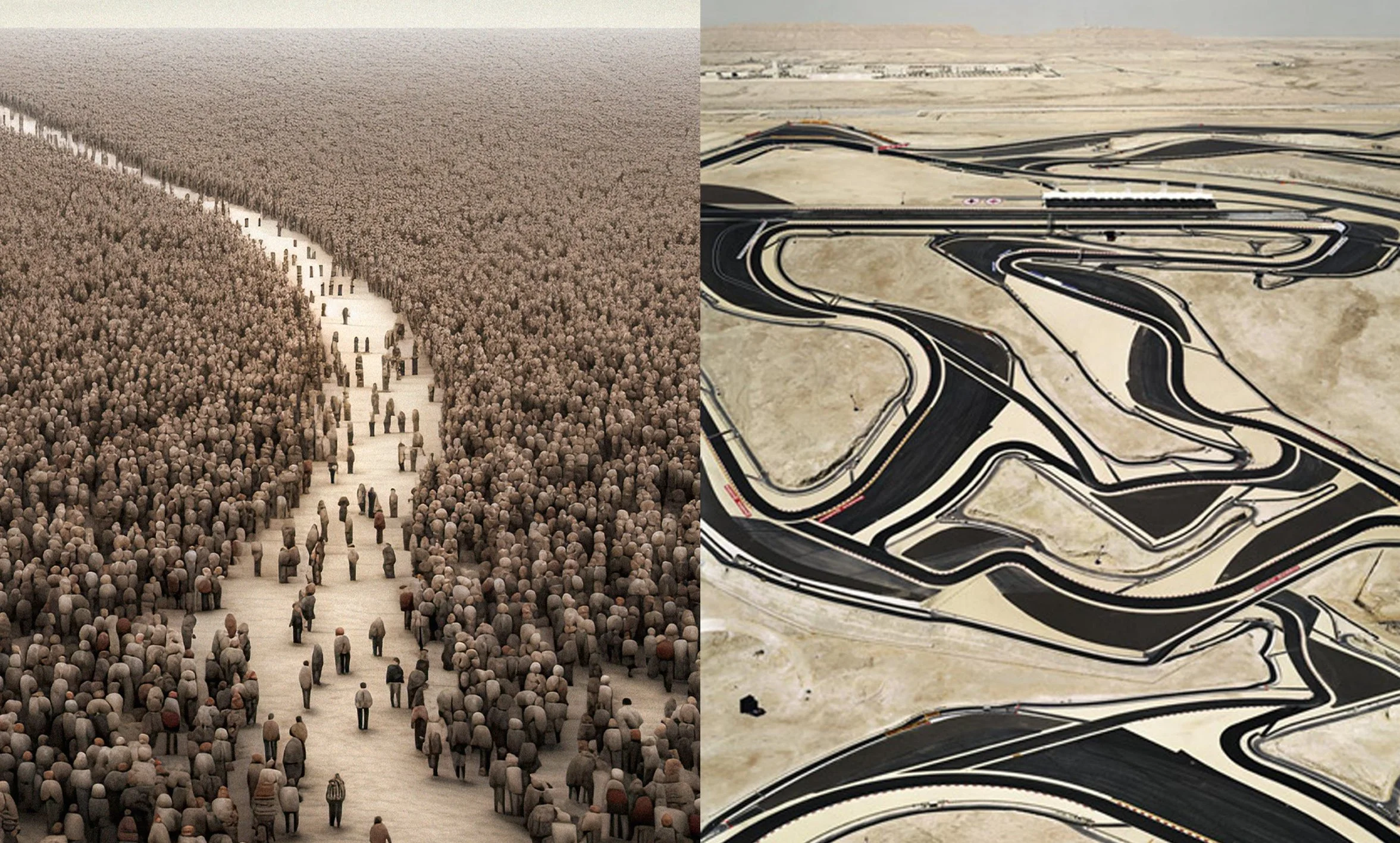
Left: Symphony No. 12 in B Major, Op. 229, Allegro: "Data Dystopia" by Alkan Avcıoğlu
Right: Hong Kong Börse II by Andreas Gursky

So why Andreas Gursky and Alkan Avcıoğlu?

In both cases, artists address the growing societal issues through subtle yet powerful visual storytelling; Gursky's work raises questions of overconsumption, while Avcıoğlu explores our bodies on a deeper level—both physical overpopulation and the individual mental capacity to process an overflowing amount of information.

I discovered Andreas Gursky while pursuing my art business diploma at Sotheby’s. It wasn’t until 2018 when visiting his retrospective - the “Redefining photography” exhibition at the Hayward Gallery in London, that the images strongly resonated with me; large-scale, highly detailed canvases, which often present a somewhat 'empty' feel despite the abundance captured within his frames.

Installation view of Andreas Gursky at the Hayward Gallery, 2018, credit: Mark-Blower

Gursky's focus on consumption, production, and the repetitive patterns of machinery and products speaks to a world where human presence is suggested but rarely the focal point. His photographs, while grandiose, often evoke a sense of isolation or detachment, reflecting on the scale of human endeavours and the spaces we occupy and transform.

Avcıoğlu, on the contrary, came on my radar more recently while exhibiting my own Web3 People Portraits at Paris Photo last year. Born in Turkey in 1982, Avcıoğlu has carved a niche for himself as an outsider artist and a visionary, leveraging his extensive background in film, music, and digital arts to explore new frontiers of expression. His collection, "Overpopulated Symphonies," marks a significant departure from the solitude of Gursky's landscapes. Utilizing AI to create post-photographic masterpieces, Avcıoğlu floods his canvases with dense gatherings of human figures. These figures, reduced to nearly indistinguishable points, create a sea of humanity that speaks volumes about the contemporary condition.

Installation view of Alkan Avcıoğlu at Paris Photo 2023

"Overpopulated Symphonies" is more than just a visual representation of crowd density; it is a metaphor for the deluge of information that bombards us daily. In Avcıoğlu's work, individuals embody thoughts, ideas, and the incessant flow of data we navigate, raising poignant questions about identity, individuality, and our capacity to process and prioritize in an age of information overload.

This thematic divergence from Gursky's portrayal of consumerist landscapes to Avcıoğlu's teeming human masses is striking. Where Gursky's work can be seen as highlighting the spaces left by human activity, Avcıoğlu's use of AI to generate populated scenes emphasizes the overwhelming presence of humanity and our collective narrative. It is a shift from the material to the social, from the empty spaces we leave behind to the crowded spaces we inhabit and the mental landscapes we cross.

Left: Symphony No. 5 in D Major, Op. 116, Presto: "The Trip" by Alkan Avcıoğlu
Right: Kreuzfahrt by Andreas Gursky

My admiration for both artists stems from a shared belief in the transformative power of photography and its potential to influence social change. As someone who has explored the impact of images through my graduate thesis, I find the dialogue between Gursky's and Avcıoğlu's works to be a fascinating commentary on our times. Both artists, in their respective approaches, offer insights into the human condition and the complex world we navigate.

Left: Symphony No. 1 in F Major, Op. 2, Presto: "Heliosphan" by Alkan Avcıoğlu
Right: Atlanta by Andreas Gursky

In conclusion, while Andreas Gursky and Alkan Avcıoğlu may operate on seemingly divergent thematic spectrums, their works intersect in the philosophical inquiries they prompt about our existence and the spaces we occupy. They also set examples of visual storytelling that speaks beyond the image itself without the need of words. Through the lens of these two artists, we are invited to reflect on our place in a rapidly changing world, urging us to find clarity amidst the chaos.

Cover image
Left: Symphony No. 13 in B Major, Op. 235, Allegro: "Collective Echoes"
Right: Bahrain I by Andreas Gursky

Art for Valentine’s: NFT Gift Ideas for Significant Others by Aleksandra Art

Any day is a good day to show your loved ones and friends that you care for them. Expressing it through the medium of art is worth a thousand words, unless it’s through poetry, of course ;) NFTs can travel distances and in our time of post-electronic superhighway, what more convenient format can art take?


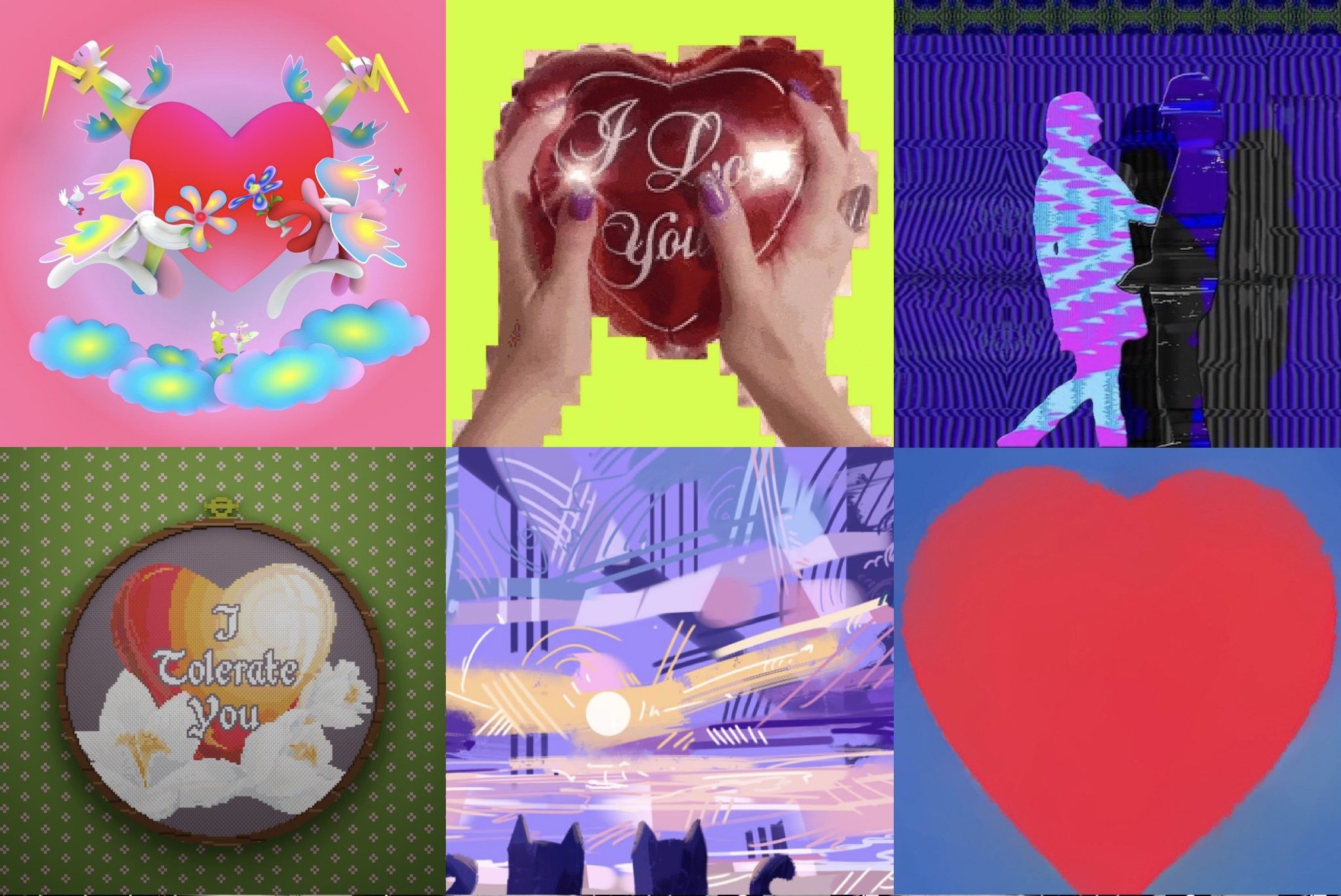
I present you with some of the gems found across the web3 rabbit hole, some more experimental than others, that could be a nice present for a special occasion. Enjoy!

“I Love U (and OT)” by Alexander Mordvintsev @zzznah

Self-described as a “Mad Scientist”, Mordvintsev is known for creating DeepDream, a computer vision program that produces works with a dream-like appearance reminiscent of a psychedelic experience in the deliberately overprocessed images. It was quite viral in the early days of AI image processing and iconic for the time.

Mordvintsev’s I Love U (and OT) is made with optimal transport. He also provides a guide to create your own here.

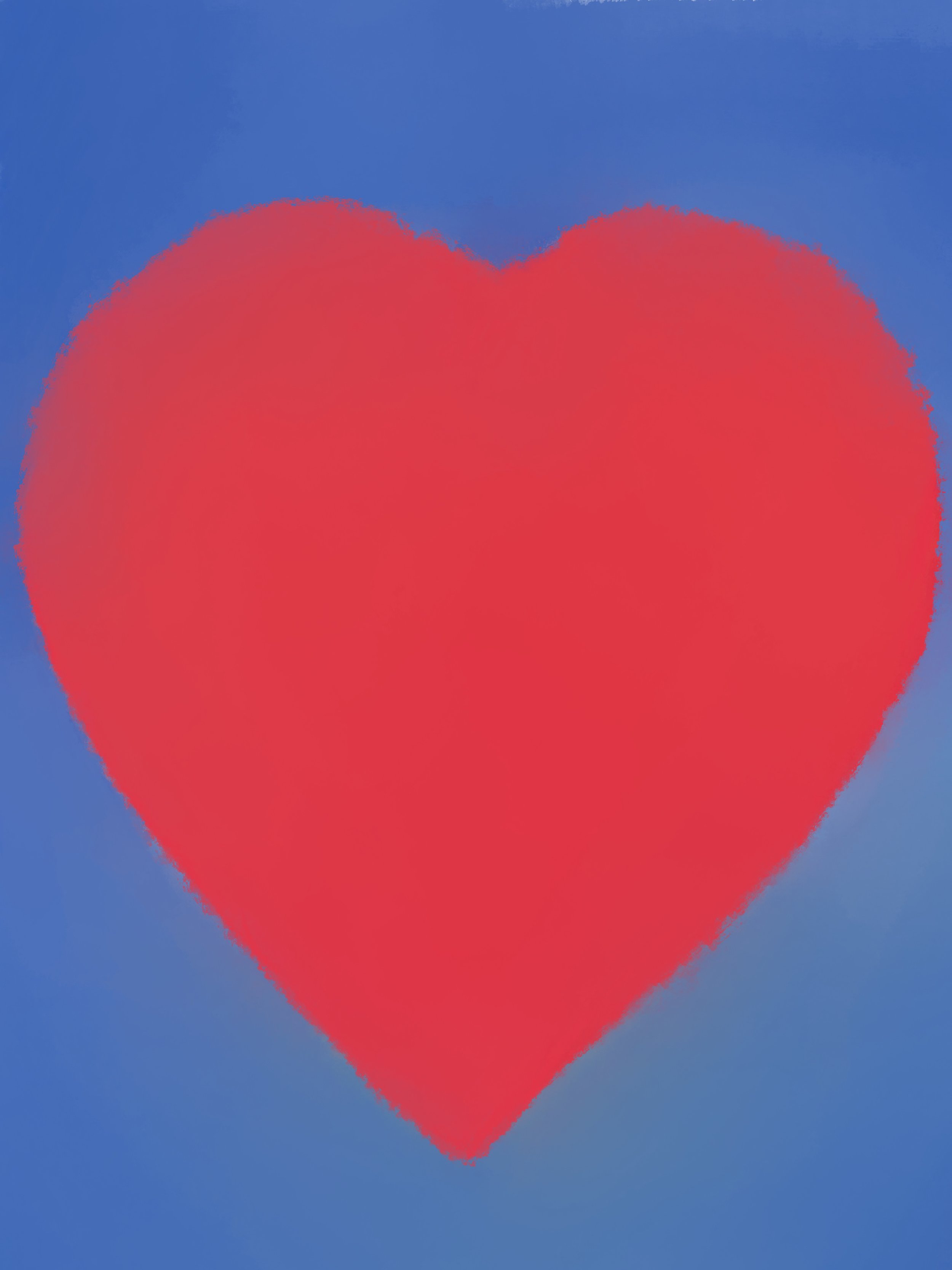
“Love” by Eva Hauschild @eva_hauschild

LOVE on Objkt

Love is a painting made with light and Apple pencil by Swiss Artist Eva Hauschild who works with Analog and Digital tools. This gentle piece makes for a sweet and affordable present.

lifeforms by Sarah Friend @isthisanart_

lifeforms on OpenSea. Mint new here.

If you’re up for the challenge, try an NFT that requires care. These entities created by Sarah Friend are like any living thing that needs regular care in order to thrive. If not properly looked after, lifeforms die. A lifeform that has died will no longer appear in wallets, is not transferable, and cannot be brought back to life in any way. How do you care for a lifeform? Within 90 days of receiving it, you must give it away.

You can gift a Lifeform to your partner and take turns at “custody” - make sure to transfer it to each other no more than within 90 day intervals.

“PEACE FOR UKRAINE” by Stepan Ryabchenko @VirtualStepan

PEACE FOR UKRAINE on Ryabchenko’s website

For those interested in gifting with impact, The “Peace” collection by Ukrainian artist Stepan Ryabchenko is fundraising for his ART LABORATORY Creative Nonprofit Association for the realization of projects to restore and develop the culture of Ukraine.

The first work from Ryabchenko’s “Peace” series was featured in TIME Magazine 2022, the drawing reminds us of the most important thing in such unsettling times – Love.

“Landscape with Carbon Capture” by @zancan

A gift of a blooming garden by one of the most prominent artists on Tezos, Zancan, is another great idea to flourish the feelings. Zancan is a generative artist from Bordeaux, France and prior to entering the digital art realm, he has been a painter and programmer for four decades. By synergizing his former practice as a traditional artist working with oil paint into the medium of computer code, he explores the graphical possibilities of a ‘figurative-generative’ art genre.

You can browse the affordable collection of Landscape with Carbon Capture. For the gift to be extra special, filter the collection for pink (or black) paper variations.

Not Even Love Will Tear Us Apart by LIA @liasomething

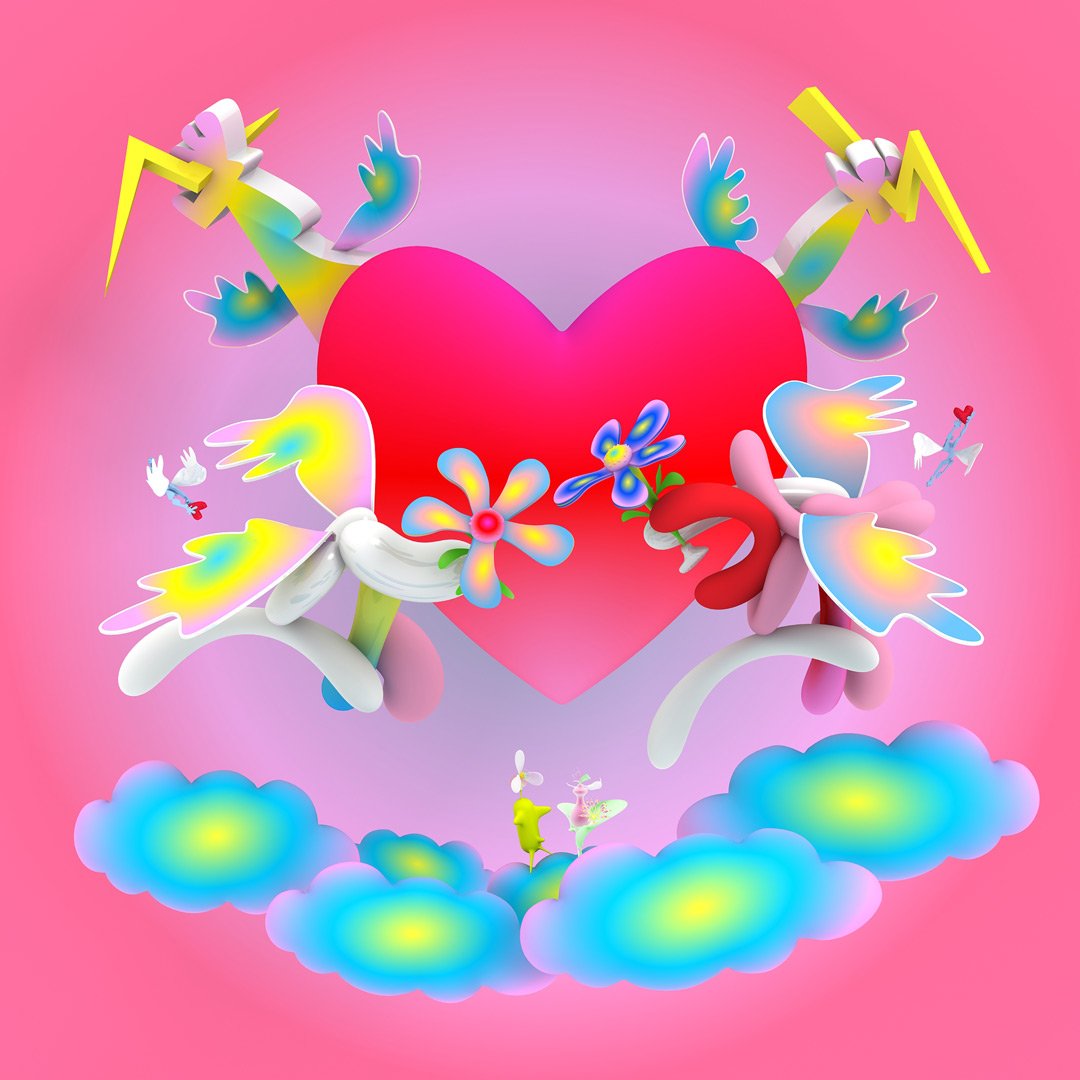
LIA’s work Not Even Love Will Tear Us Apart has in focus the ultimate symbol of love: the heart. The latter is suggested through continuously evolving shapes that rotate, move and mirror each other. All forms appear in pairs and the composition’s perpetual motion suggests the former will be separated. However, each pair ultimately remains connected to a shared point.

LIA: “as with relationships between lovers, permanent change happens in the details while the overall aesthetic remains the same”. New shapes overlay old structures, adding ever-increasing depth to the resulting image, therewith building a history that in turn forms the backdrop for yet new formations.

“Non NFT” by @XCOPYART x @Moxarra x @neurocolor

Non NFT on OpenSea

On the higher end of the budget spectrum, if you want a gift that says something like “till death do us part” but be cool about it - this piece made as a collab by three legendary crypto artists may do the trick! Made especially for the Non NFT conference in Mexico City, it is definitely going to be a memorable item in the wallet.

“I Tolerate You” by Willow Pines @pines_willow

I Tolerate You on versum

Let the one you're with know you tolerate them this Valentine's Day. This vox-stitch done work by Willow Pines gets to the point :)

A GIFT by Julie Marie Wade @manyplums and Rose Jackson @in_cloudlands

A GIFT on Infinite Objects

A GIFT is a poem written by Julie Marie Wade and interpreted by Rose Jackson. A perfect way to express your feelings with gentle words and accompanying art. The artwork is part of the HANDHELD POEMS collection, a limited edition video print series by theVERSEverse and Infinite Objects, in partnership with Studio As We Are.

The poem is offered as a Video Print - a video of the artwork as a loop in a custom digital frame by Infinite Objects.

DoodleDeProgramming by Jun Kiyoshi @junkiyoshi

Jun Kiyoshi has an array of animated shapes and forms in his collection including several variations of hearts in different colors and movements. Kiyoshi is a developer for a packaged software development company in Nagoya, Japan who has been also sharing daily his videos via Twitter and Instagram for over four years now to inspire creativity in others.

“Doodle Cats” by Kristy Glas @KristyGlas

Let’s be honest - it’s hard to miss with cats. If your loved one is into cats and they don’t own a Kristy Glas NFT yet, this collection is perfect for picking a unique piece. meow.

“Rhythm Down Below” by Lorna Mills @lm_netwebs

Gift a GIF this V-Day by the GIF queen herself. Canadian artist Lorna Mills is known for her signature style and has been creating digital art since the early 1990’s. She was part of exhibition the Canadian Embassy in Berlin, for Transmediale, “At Play in the Fields of the Lord” at Transfer Gallery, Brooklyn NY, and Dreamlands at the Whitney Museum in NY. Her work was also displayed the month of March, 2016 on 45 screens in Times Square, NYC, every night as part of the Midnight Moment program curated by Times Square Arts.

Friendly Gifts

“Friendship Bracelets” by Alexis André @MacTuitui

With a myriad of shapes and colors to choose from, this iconic collection offers a wide selection of NFTs to pick for your dear ones.

Inspired by the late artist Donald Judd, artist and founder of ArtBlocks Erick Calderon (a.k.a. @Snowfro), collaborated with renowned artist Alexis André (a.k.a. MacTuitui) to bring generative art and ephemeral physical objects together in the form of friendship bracelets.

“Friendship Decagons” by @0xDecaArt

For the more knowledgeable collectors, the gift of Decagon is a good one. Made for your family, friends & frens - Friendship Decagons take your relationship to the next level: onchain.

Just like friends irl, friendship Decagons need to grow together. They start humbly, as all Decagons do. But they’re bound to each other. Paired palettes & matching metadata. You can upgrade your Decagons to the next level together and both friends can pledge DXP (can be earned on Deca.art) to upgrade.

“Hugs on Tape” by LoVid @lovidlovid

LoVid

Sam + Tim on Ryan Lee gallery

Hugs on tape satisfies a visceral need for physical contact in the pandemic era. The artists wanted to distribute hug simulations that can share bursts of joy and intimacy. A call was sent out to friends and family requesting recordings of hugs with someone in their pod. The recordings captured tenderness and love among those spending more time than ever together, and a choreography of closeness inside the familiar frame of video, animation, and zoom calls.

The series is created with tools ranging from handmade audio/video synthesizers to smartphones and digital animation software. All the patterns and colors in hugs on tape are made exclusively with hardware, analog synthesizers and other analog instruments. Although some were found or borrowed, LoVid’s handmade synthesizers are the primary instruments used in LoVid recordings for over a decade.