It started with that 2016 Instagram trend. People reposting old pics, blurry selfies, VSCO edits, oddly sincere captions. It didn’t feel like simple nostalgia. It felt like people circling a moment when the internet still hadn’t fully comprehended where it was headed.
That curiosity pulled me in. I started asking what was actually happening in digital and new media art in 2016. Not just aesthetically, but structurally. Institutionally. Politically.
What I found was a year where many of today’s dominant narratives were still open questions. Surveillance. Immersion. Blockchain. Digital ownership. Institutional legitimacy. 2016 wasn’t the beginning, but it was a fascinating snapshot looking back. A year where multiple futures briefly coexisted.
This, as always, is not a comprehensive list - but hopefully holistic enough for all of you to dive in!
1. Whitechapel Gallery 2016: Electronic Superhighway
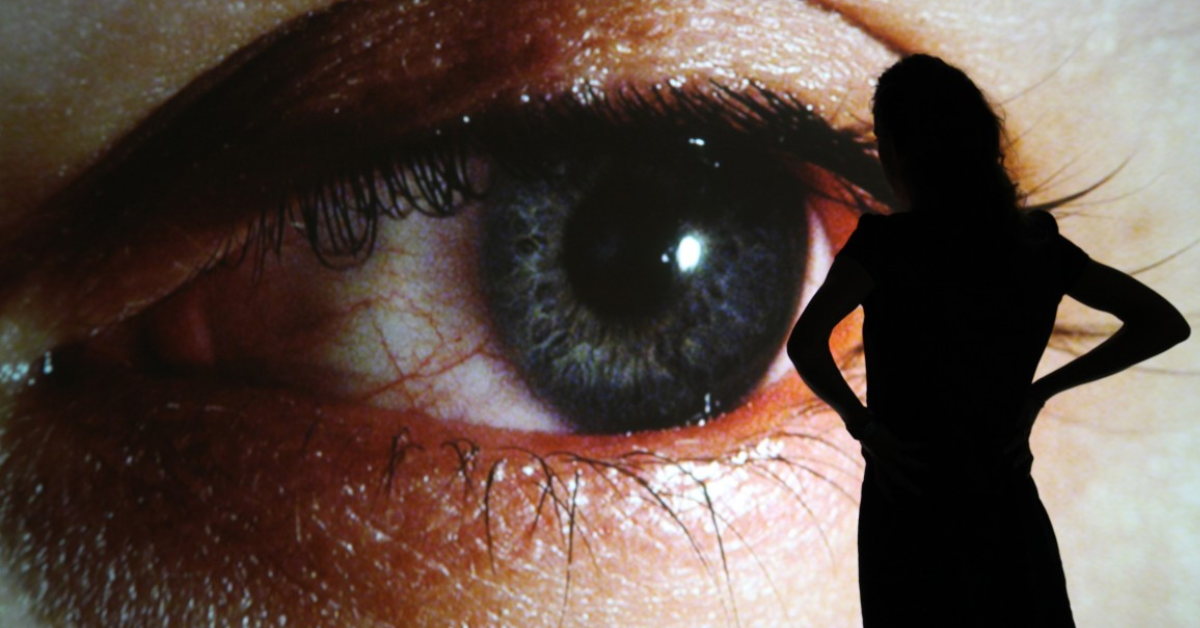
Rafael Lozano-Hemmer, Surface Tension (1992) Courtesy the artist and Carroll/Fletcher, London. Installation photograph by Maxime Dufour © Rafael Lozano-Hemmer
Electronic Superhighway show, curated by Omar Kholeif, with significant contributions from Emily Butler (Assistant Curator) and Séamus McCormack (Assistant Curator), brought together over 100 works tracing artists’ relationships with computers and networks from the 1960s onward. It refused the idea that digital art was new, trendy, or purely technical.
Some of the exhibiting artists went on to also release their works on the blockchain in recent years, including Jan Robert Leegte, Trevor Paglen or Lynn Hershman Leeson.
By placing early experiments next to contemporary works, the exhibition made it clear that artists have always been ahead of cultural anxiety. What changes is not fear, but scale.
2. Lumen Prize 2016 Gold Award winner: Hyperplanes of Simultaneity
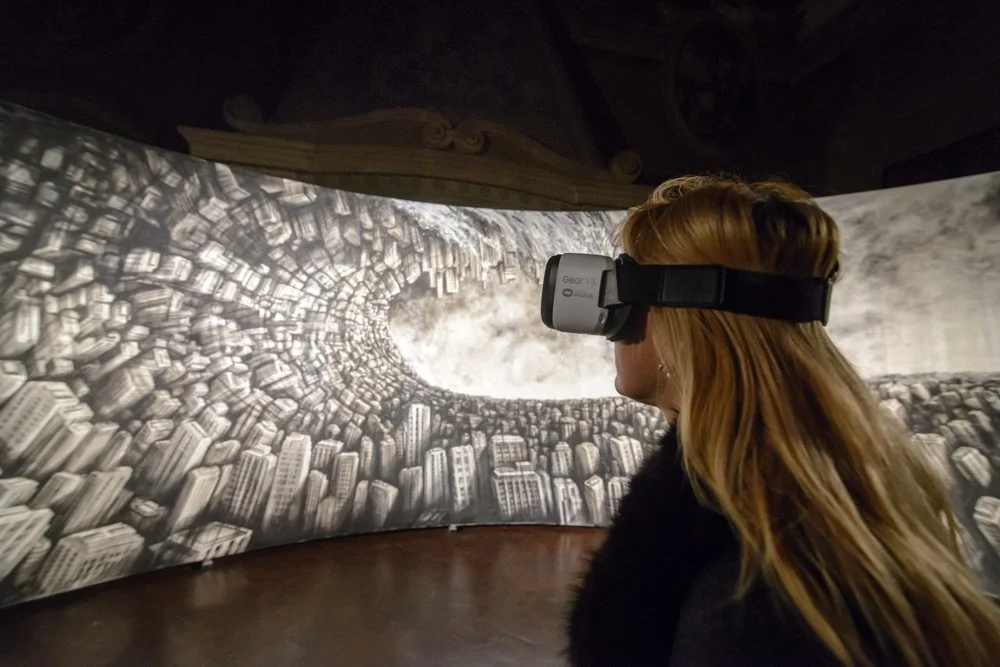
Installation view, Hyperplanes of Simultaneity by Fabio Giampietro & Alessio De Vecchi
Hyperplanes of Simultaneity, by Fabio Giampietro & Alessio De Vecchi, dissolved the fixed image. Instead of standing in front of a painting, viewers navigated inside it through VR. Perspective became something you performed rather than observed.
This shift feels foundational now, when immersion is no longer novel but expected.
3. MuDA (Museum of Digital Art) 2016 Opening
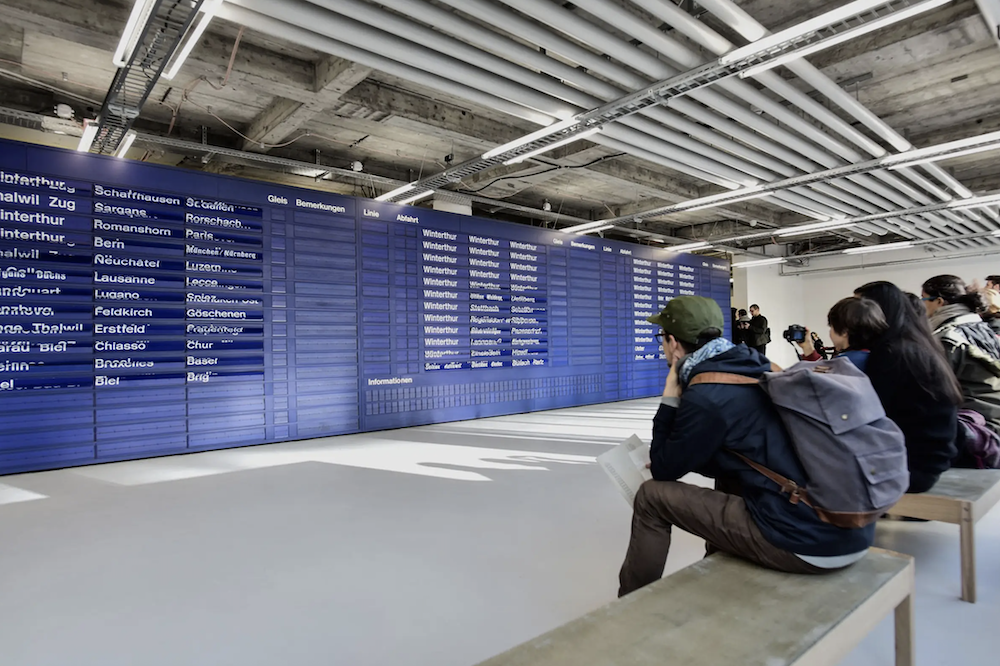
Gysin-Vanetti, Herdern Hochhaus, Zurich, Feb 12 – Aug 14, 2016
MuDA opened in Zurich as an institution dedicated entirely to digital art. The institute was opened in February 2016 in Zurich by the non-profit Digital Arts Association. It closed only a few years later, in 2020, but its presence mattered.
For its opening exhibition, Swiss digital duo Andreas Gysin and Sidi Vanetti reprogrammed a 13-metre electromechanical board from Zurich’s main station into an installation, which offered early visibility to new work that combined code and physical experience.
As MuDA co-founder Christian Etter later put it:
“What is art? Whatever does not have an economic purpose and creates an insight, or helps people to see new perspectives, this is art for me.”
That philosophy feels especially fragile in digital contexts, where value is so often measured financially.
4. Berlin Biennale 2016 - Blockchain Visionaries by Simon Denny with Linda Kantchev
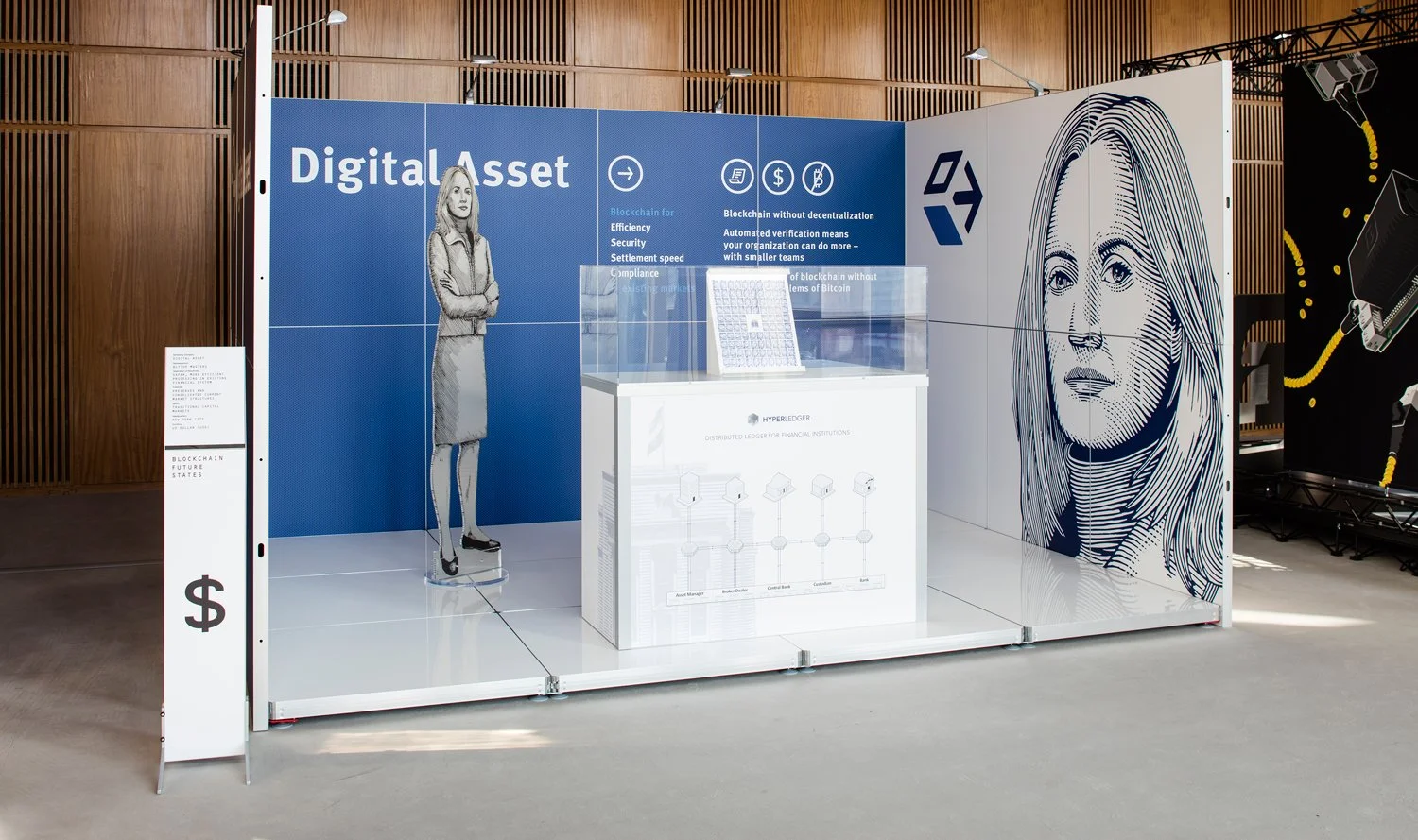
Installation view of "Blockchain Visionaries," 2016; courtesy Simon Denny; Galerie Buchholz, Cologne/Berlin/New York; photo: Timo Ohler
Blockchain Visionaries showcased three real companies - Ethereum, 21 Inc, and Digital Asset Holdings. Denny has created a trade-fair-like information booth and a postage stamp for each company, which individually embody a future direction in blockchain technology.
There was no consensus on whether blockchain would empower artists, dissolve institutions, or simply reproduce existing inequalities. The Biennale captured blockchain at a moment when it was still speculative in the philosophical sense, not yet dominated by financial narratives.
5. STARTS Prize 2016 Grand Prize winner: Magnetic Motion
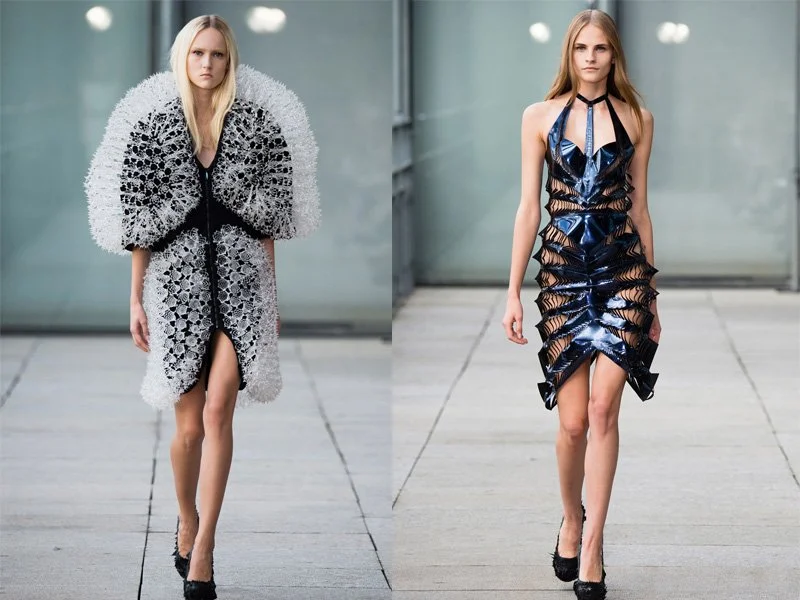
Iris Van Herpen RTW SS 15 “Magnetic Motion” Photos from Style.com
Magnetic Motion, by Iris van Herpen, fused couture, computation, and physics, drawing inspiration from CERN’s Large Hadron Collider. Digital thinking here reshaped material form itself.
What makes this moment significant is how naturally the project blurred disciplines. Fashion became a site for data, physics, and algorithmic thinking, long before “hybrid practice” became an institutional buzzword. The piece suggested that digital culture wasn’t something we would simply look at, but something we would increasingly inhabit - like we later saw with the digital fashion work of The Fabricant or Dress X.
6. Rare Pepe 2016 release
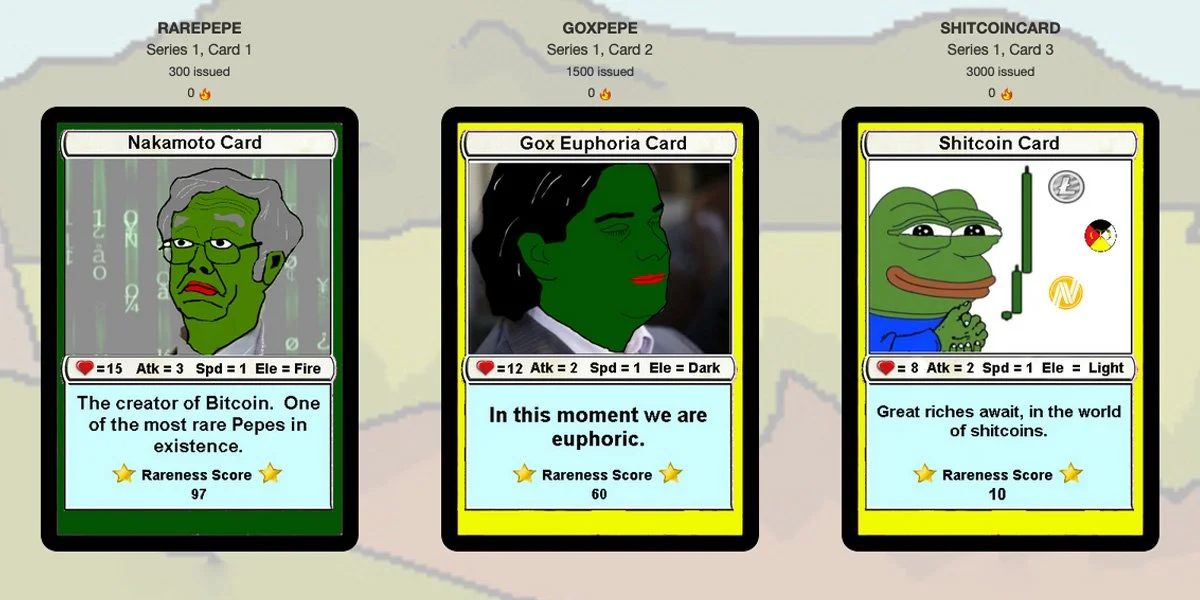
First three blockchain-based Rare Pepe cards created by anonymous user Mike (2016), via MLO
In September 2016, the Rare Pepe (collectible digital trading cards) were minted on the Counterparty protocol, representing some of the first digital “art tokens” designed to be traded, bought, sold, or destroyed on a blockchain. They reference the Pepe character, created by Matt Furie back in 2005 for his self-made zine Playtime.
(more on Rare Pepe in my 2021 article)
What mattered was not polish, but possibility. Ownership became programmable.
7. SIGGRAPH 2016: Steina Vasulka Receives Lifetime Achievement Award in Digital Art
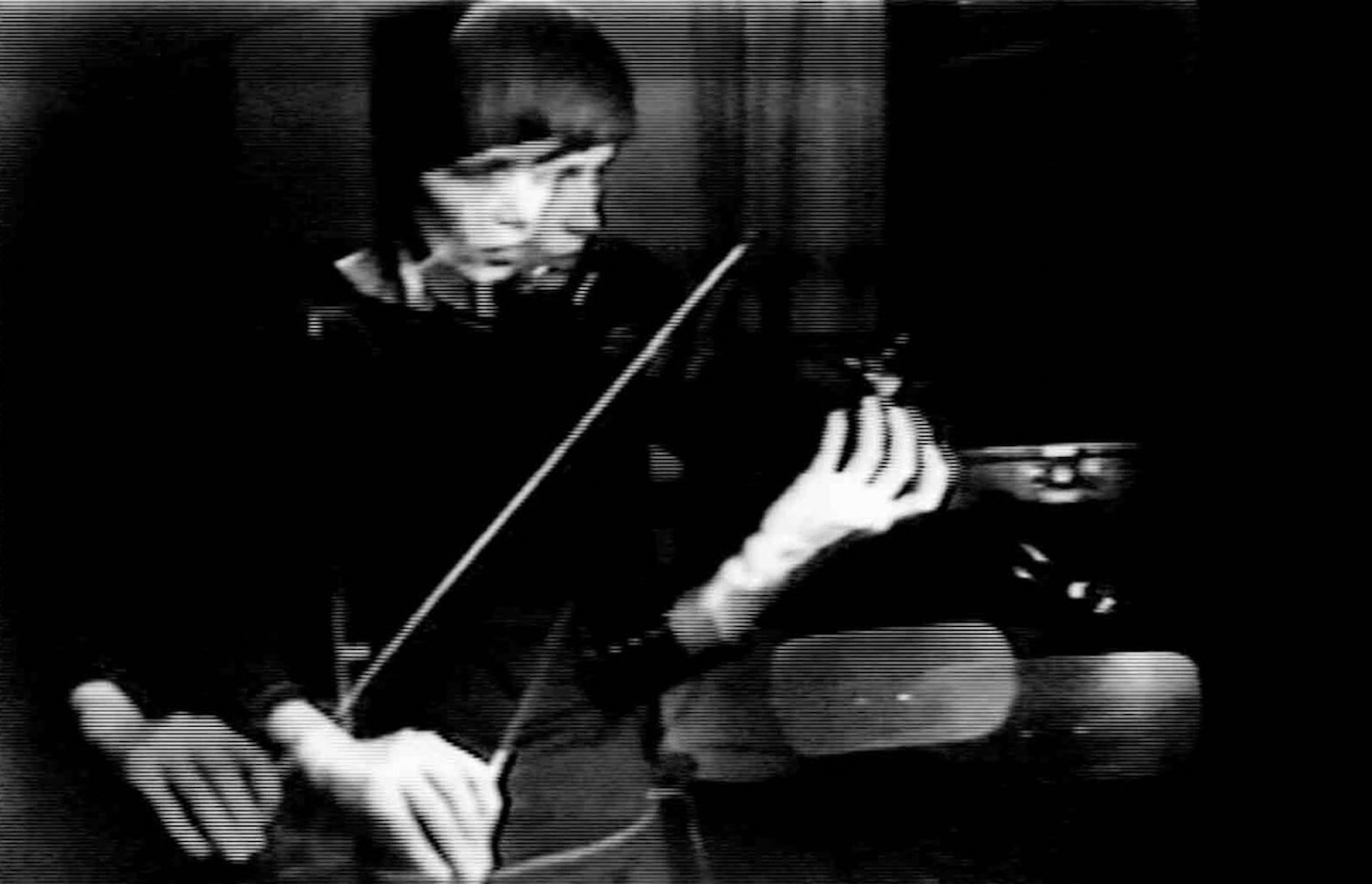
Violin Power, Steina, 1970-78, 10:04 min, b&w, sound
The 2016 ACM SIGGRAPH Lifetime Achievement Award in Digital Art was awarded to Steina Vasulka, a major contributor to the development of an intellectual and institutional framework for video and installation art, which she has continued to nurture and promote in a variety of contexts.
She began working with video in 1969, co-founding The Kitchen, an Electronic Media Theatre in SoHo, described as “An Image and Sound Laboratory”.
Her major retrospective exhibitions running into 2026, include Steina: Playback, organized by MIT List Visual Arts Center, touring from Buffalo AKG Art Museum (March–June 2025) to the National Gallery of Iceland & Reykjavík Art Museum (October 2025–January 2026).
It grounded the field in memory at a moment when speed threatened to erase it.
8. Nam June Paik Art Center Prize 2016 winner: ‘Blast Theory’
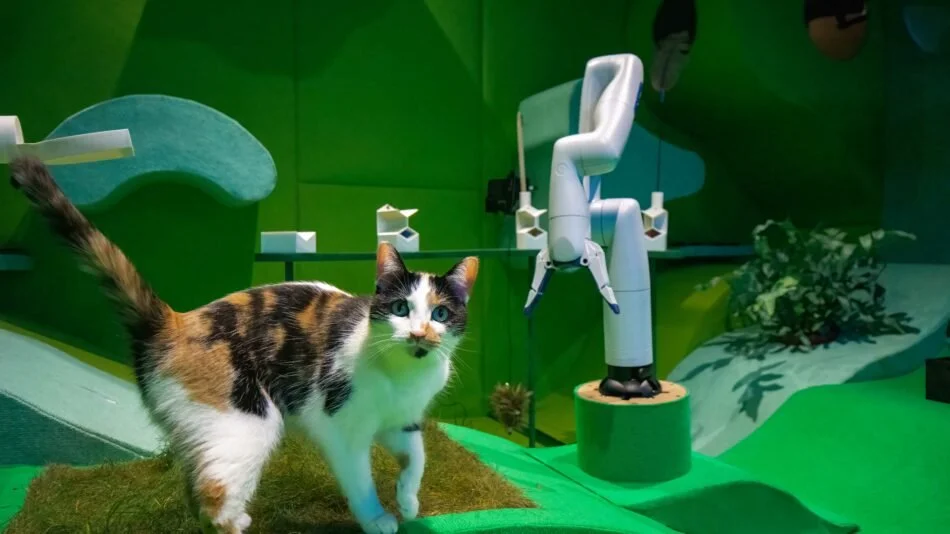
Cat Royale by Blast Theory
Blast Theory was founded in 1991 by Matt Adams, Niki Jewett, Will Kittow and Ju Row Farr. The collective received the Nam June Paik Art Center Prize in 2016, a fitting recognition for a group whose work has consistently treated technology as something lived rather than observed.
Long before social media, apps, or location tracking became mundane, Blast Theory was creating participatory works that fused performance, gaming, surveillance, and physical space.
9. Prix Ars Electronica 2016 "Golden Nica: Interactive Art +" award winner: "Can you hear me?" by Mathias Jud & Christoph Wachter
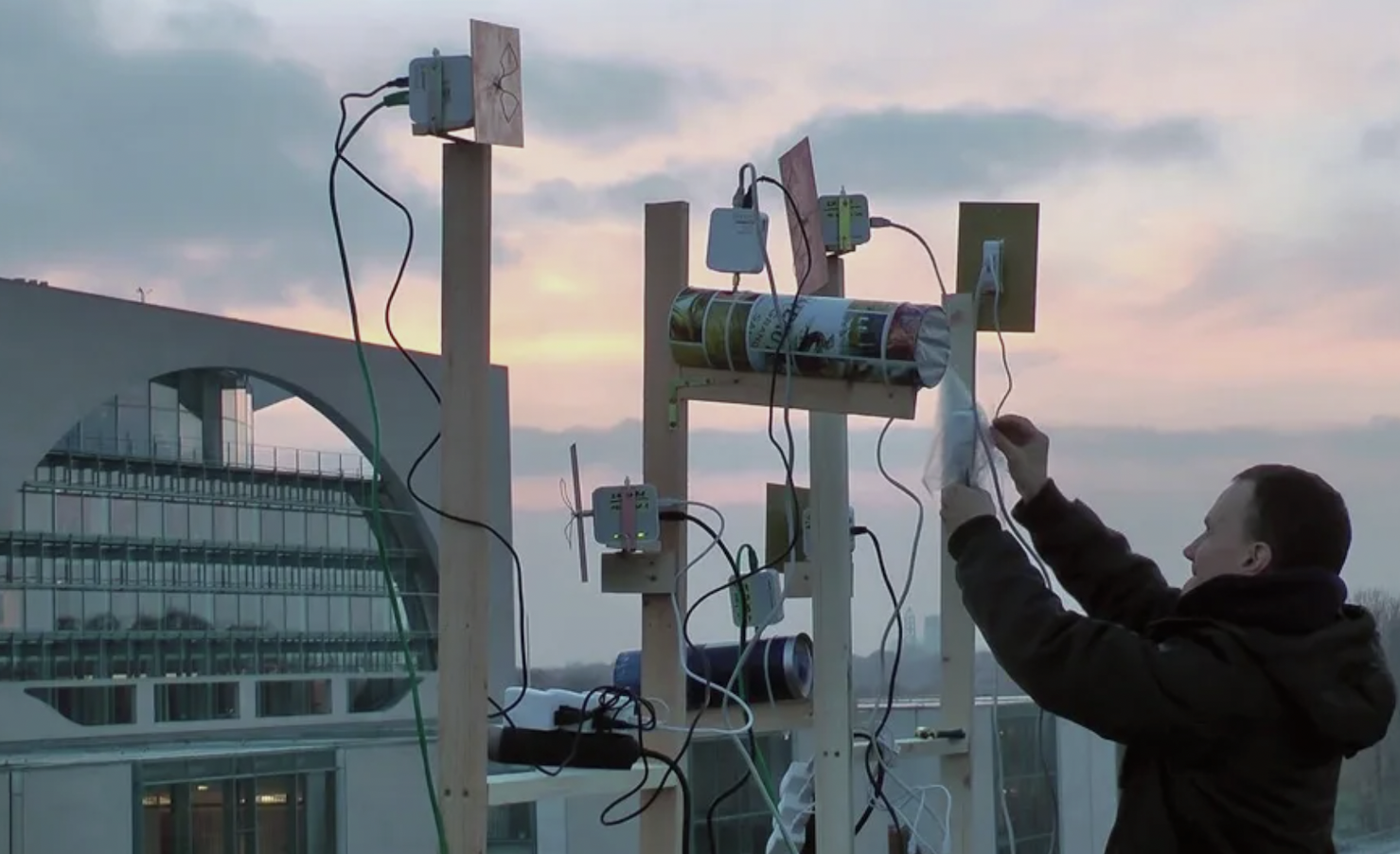
"Can you hear me?" by Mathias Jud & Christoph Wachter address the issue of power and powerlessness in the Digital Age.
Above the rooftops at the epicenter of political power in Germany, the two artists set up an autonomous WiFi communications network and invited anyone in Central Berlin with a WiFi-capable device to connect to the network and use it to chat, send text messages and exchange files. Learn more.
It treated transparency not as metaphor, but as action.
10. Thoma Foundation 2016 Arts Writing Awards in Digital Art winners: Christiane Paul & Nora Khan
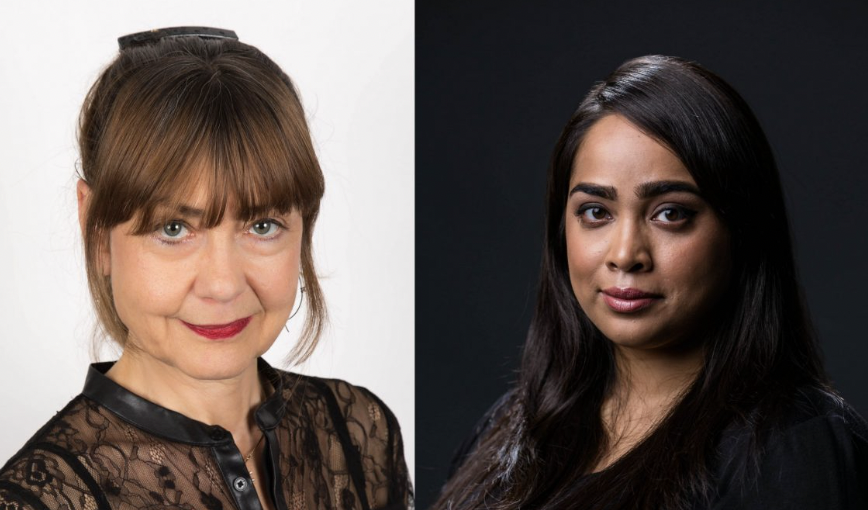
Christiane Paul & Nora Khan
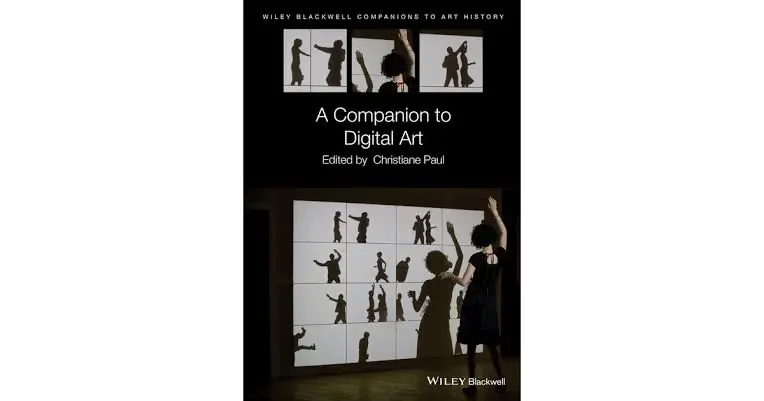
In 2016 the Carl & Marilynn Thoma Art Foundation recognized two voices that were shaping how we talk and think about digital art with its Arts Writing Awards: Christiane Paul in the established category and Nora Khan in the emerging category. Christiane Paul, a curator and scholar at the Whitney Museum of American Art, was honored for her extensive writing that situates digital art within broader art history and bridges diverse communities through books, essays and curatorial work. Notably, her 2016 book “A Companion to Digital Art”.
Nora Khan, a contributing editor at Rhizome, was celebrated for her imaginative and boundary-blurring essays about digital culture, from the affective life of emoji to the aesthetics of artificial intelligence: writing that pushes the field beyond criticism into speculative and expressive territories.
Looking back, 2016 feels unresolved. Not naive, but undecided. Many paths opened that year before narrowing into platforms and markets.
Revisiting it now feels less like nostalgia and more like recovery. To quote Dickens, "in short, the period was so far like the present period" - a reminder that the ever-evolving future has more than one possible shape.